Fashola rejects death penalty for election riggers, says measure too extreme
By Damilola Akinwale –
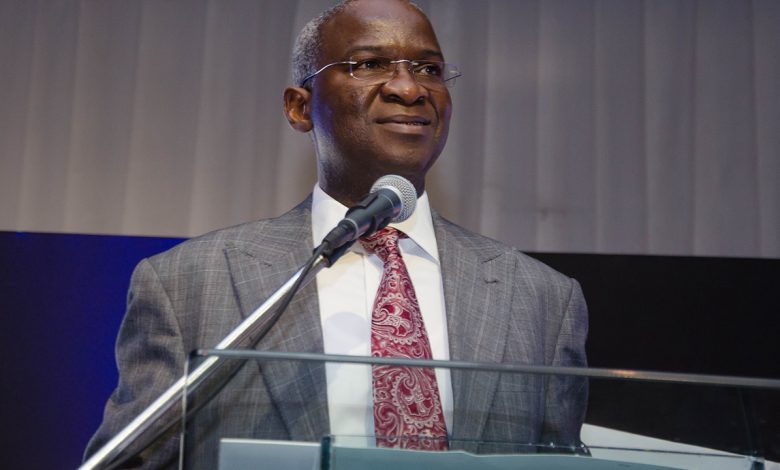
Former Lagos State Governor Babatunde Fashola has rejected calls for election riggers to face the death penalty, urging Nigerians to avoid extreme rhetoric ahead of the 2027 general elections.
The former minister of power, works and housing made the remarks during an interview with ARISE News on Friday, insisting that electoral offences should attract firm punishment through lawful procedures rather than threats of extrajudicial violence.
Fashola’s comments came in response to the “rig and die” slogan attributed to former Deputy Senate President Ovie Omo-Agege and comparisons with former President Muhammadu Buhari’s remarks about ballot box snatchers ahead of the 2019 elections. Asked whether election riggers should face the death penalty, he replied, “Absolutely not. I mean, come on. I think we must move away from what I think are extreme narratives and rhetoric”.

He said the Electoral Act did not prescribe the death penalty for electoral offences, stressing that accused persons must be charged, tried and given an opportunity to defend themselves before any punishment is imposed.
“The punishment under the Electoral Act is not death. And even if it were death, which I will not support, there’s a process before you take human life; a charge, a trial, an opportunity to defend yourself,” he said.
Fashola, however, suggested stiffer prison sentences without the option of a fine for serious electoral offences, arguing that offenders should not be allowed to monetise penalties to escape imprisonment. He added that such offences could attract defined custodial sentences but ruled out capital punishment, saying, “I don’t think it goes that far”.
He also urged political leaders to strengthen mobilisation campaigns in areas where their parties enjoy support, while encouraging politicians and voters to accept that parties could win in one electoral cycle and lose in another.
The politician called for sustained public education on elections, proposing nationwide instruction on electoral conduct and ethics, beginning in primary schools and delivered in Nigeria’s major languages.