Ambassadorial delay due to reforms, not politics — FG replies ADC
By Kunle Sanni –
The Federal Government has dismissed recent criticisms by the African Democratic Congress (ADC) regarding delays in appointing ambassadors to Nigerian missions abroad, describing the claims as baseless and politically motivated.
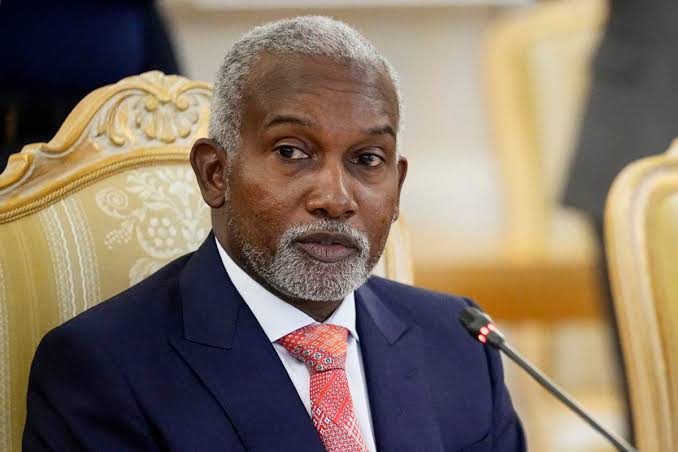
In a statement on Tuesday, Alkasim Abdulkadir, Special Assistant on Media and Communications Strategy to the Minister of Foreign Affairs, Yusuf Tuggar, explained that President Bola Tinubu is undertaking a comprehensive reform of Nigeria’s foreign service architecture, which accounts for the delay in ambassadorial postings.
The response followed remarks by ADC’s interim National Publicity Secretary, Bolaji Abdullahi, who alleged that Tinubu’s failure to appoint ambassadors had weakened Nigeria’s diplomatic standing, citing recent visa-related decisions by the U.S. and the UAE as evidence of strained international relations.




Abdulkadir, however, refuted the allegations, asserting that Nigerian missions remain functional and are currently being led by chargés d’affaires. He emphasized that ambassadorial appointments are sovereign functions, not exercises in political appeasement.
“Ambassadorial appointments are not a haphazard exercise to satisfy political impatience or party quotas,” the statement read. “They are guided by national security priorities, bilateral protocols, and Nigeria’s strategic interests.”
He stressed that future nominations would reflect merit, competence, and integrity, noting a deliberate shift away from rewarding political allies with diplomatic positions.
The ministry also cautioned against politicizing matters of foreign policy, urging the ADC to avoid commentary that could undermine Nigeria’s image and global standing.
Abdullahi had further criticized Minister Tuggar’s recent comments rejecting a U.S. request for Nigeria to accept deported Venezuelan migrants, calling the remarks “reckless,” but Abdulkadir defended the minister’s statement as principled and consistent with Nigeria’s sovereign rights.