Atiku, Makinde absent as Tinubu, Obi, others sign 2027 peace accord

Political parties and candidates contesting the 2027 general elections have signed a national peace accord committing them to issue-based campaigns and peaceful conduct ahead of the polls.
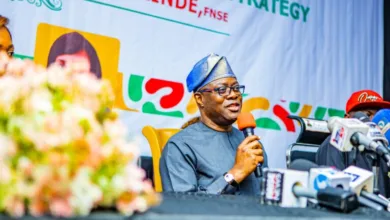
The agreement was signed on Tuesday in Abuja at a ceremony organised by the National Peace Committee in partnership with The Kukah Centre, coming a day before the official commencement of public campaigns for the elections.
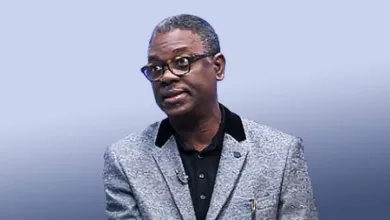
Notable opposition figures, including former Vice-President Atiku Abubakar and Oyo State Governor Seyi Makinde, were absent from the ceremony. Both are expected to contest the presidential election under the platforms of the African Democratic Congress (ADC) and the Allied Peoples Movement (APM) respectively.
President Bola Tinubu, the presidential candidate of the All Progressives Congress, was represented by the Secretary to the Government of the Federation, George Akume. The Chairman of the Independent National Electoral Commission, Prof Joash Amupitan, and several political party leaders and presidential candidates also attended.
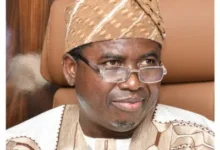


The signatories pledged to reject violence, hate speech, personal attacks, misinformation and other actions capable of undermining the credibility and peaceful conduct of the electoral process. Speaking on behalf of Tinubu, Akume urged political actors to place national interest above personal and partisan ambitions.
“Signing this peace accord is a solemn pledge to the Nigerian people that we, as leaders, will put the nation’s interests above personal or partisan ambitions,” Tinubu said, urging parties to campaign on ideas and policies rather than ethnic or religious sentiments.
Amupitan said the accord was intended to establish ethical boundaries for political campaigns before they officially begin, warning against hate speech, misinformation, premature victory claims and the misuse of social media and artificial intelligence to manipulate voters.
The INEC chairman urged candidates and their supporters to focus on issues such as the economy, security, infrastructure, healthcare, education and social inclusion, stressing that elections should be treated as a competition to earn the trust of voters rather than a battle for political survival.