Female APC gov aspirant Musliat Bello cites women’s empowerment as motivation
By Mosunmola Ayobami, Ilorin
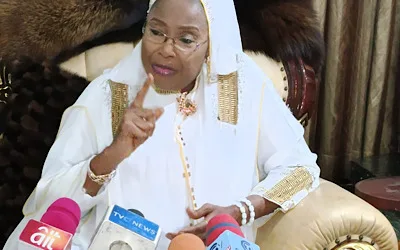
Hajia Musliat Yetunde Bello, a native of Kwara State, has declared her intention to contest the 2027 gubernatorial election in Kwara on the platform of the All Progressives Congress, outlining her vision for women and youth empowerment.
Bello, a native of Jebba in Moro Local Government Area and a retired civil servant, said her decision to join the race was driven by her passion for economic empowerment, access to education, and increased participation of women and young people in governance.
Speaking with journalists on Monday in Ilorin, she expressed concern over what she described as the long-standing marginalisation of women in politics, noting that the 35 per cent affirmative action for women has yet to be fully implemented.



According to her, women have the capacity to drive meaningful transformation in society, stressing that giving them more opportunities to hold political offices would benefit not only the state but the country as a whole. She therefore called on residents, especially women, to support her ambition.
Bello said her administration, if elected, would prioritise human capital development, particularly education for women, which she described as key to building a better future. She added that empowering women through access to low or zero-interest loans, including Islamic banking options, would help improve their economic standing.
She also pledged to work closely with traditional rulers to abolish harmful cultural practices that negatively affect women, expressing optimism that such reforms would receive support from relevant stakeholders.
While commending the current administration for its achievements in sectors such as education, healthcare, infrastructure, and youth development, Bello said she would build on these gains to further advance the state’s growth and development.
On healthcare and security, she promised to introduce a comprehensive health insurance scheme for residents, strengthen primary healthcare services, and improve funding for medical facilities and personnel, while also enhancing security through better inter-agency collaboration, community participation, and intelligence gathering.