FG reaffirms commitment to press freedom, media independence
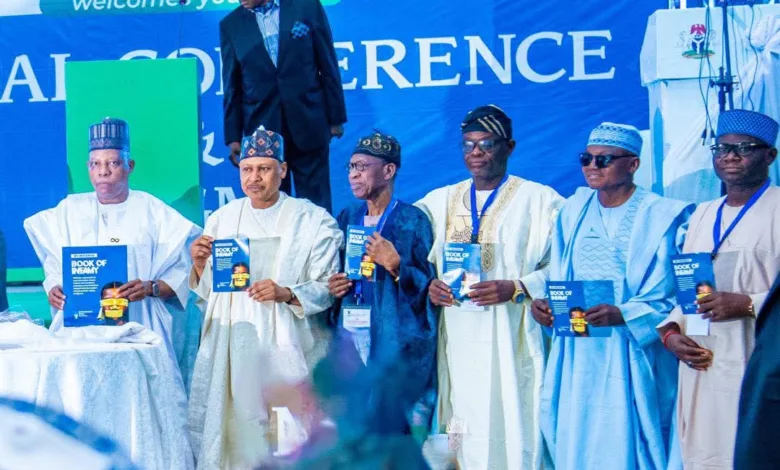
The federal government has reiterated its commitment to press freedom, democratic accountability, and the protection of Nigeria’s information space, saying the Tinubu administration remains aligned with global standards of media independence.
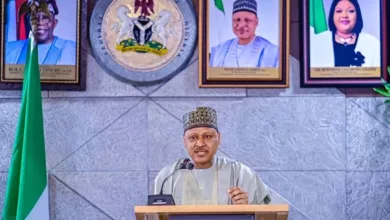
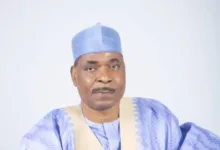
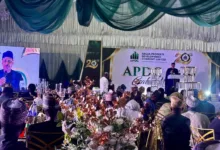
Minister of Information and National Orientation, Mohammed Idris, made the remarks on Tuesday at the 2025 International Press Institute (IPI) Annual Congress and General Meeting held at the NICON Luxury Hotel, Abuja. He described the media as “the central nervous system of any democracy, and the amplifier of citizens’ voices,” noting that Vice President Kashim Shettima’s presence at the opening session highlighted the government’s openness to continuous engagement with journalists.
Speaking on the congress theme, “Addressing Media Repression in Nigeria,” Idris stressed that the current administration has no policy—formal or informal—aimed at undermining press freedom.
The minister added that security agencies now operate under stricter protocols to protect journalists, particularly during protests and in conflict-prone areas, while regulatory bodies maintain a safe and predictable environment for media organisations. “A free press is indispensable. Journalists must be able to work without intimidation or interference, and this government has been consistent on that point,” he stated.


Idris cited the government’s response to a recent false report alleging that Nigeria had signed an agreement requiring the adoption of LGBTQ+ rights. He explained that instead of confrontation, the government chose transparency by publishing the full agreement, issuing clarifications, engaging the public, and filing complaints through the independent media ombudsman.
The minister also announced that Nigeria has been selected to host the Regional Media and Information Literacy (MIL) Institute for Africa, which will train journalists, educators, and citizens in ethical reporting, fact-checking, and countering disinformation within African cultural contexts. The formal launch is scheduled for the first quarter of 2026.
Idris emphasised that the Institute will operate as a neutral, knowledge-driven platform to strengthen democratic information systems across the continent, not as a government mouthpiece. “Our shared duty is not only to challenge repression but to expand freedom. Let us strengthen the foundations of our democracy by protecting the freedoms that sustain it,” Idris said.
The event was attended by Vice President Kashim Shettima, who chaired the opening session.