Osun coalition kicks against proposed phase-out of electricity subsidy
By Deborah Oladejo, Osogbo –
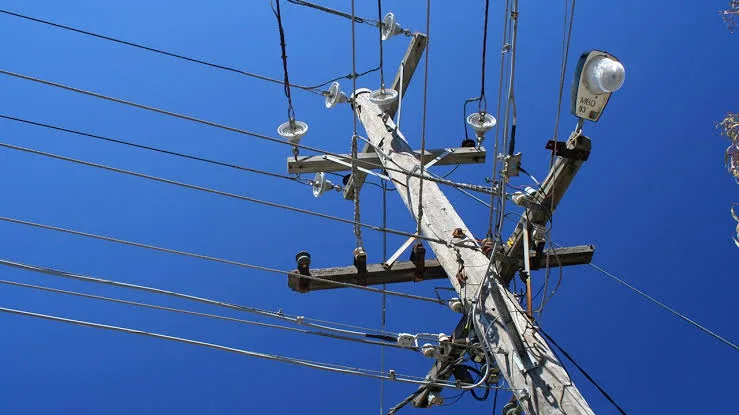
The Osun Civil Societies Coalition (OCSC) has kicked against the proposed phase-out of electricity subsidy from 2027, warning that any substantial increase in electricity tariffs could further burden Nigerian households, workers, traders, farmers, artisans and businesses.
In its Independence Day statement signed by its chairman, Waheed Lawal, the coalition stressed that improved electricity supply would only be meaningful to citizens if it was also affordable.
The OCSC acknowledged and commended the reported improvements in electricity supply in Osun State and across the country, recognising the efforts of the Federal Government and the Minister of Power, Chief Joseph Olasunkanmi Tegbe.

It, however, urged the government to sustain the improvements in power supply while ensuring that the burden of resolving financial and structural challenges in the sector was not transferred disproportionately to struggling Nigerians.
The coalition said millions of Nigerians were already contending with rising costs of food, transportation, housing and business operations, warning that higher electricity tariffs could increase production costs, weaken small and medium-sized businesses and reduce disposable income.
The OCSC called on the Federal Government to address underlying problems in the electricity sector, including technical and commercial losses, electricity theft, inadequate generation, transmission and distribution infrastructure, insufficient metering, estimated billing, revenue leakages and collection challenges.
It also demanded greater transparency over the proposed policy, saying Nigerians should be provided with information on the annual cost of the existing subsidy, projected savings from its removal, anticipated effects on electricity tariffs and the likely impact on households, farmers, manufacturers, traders and other businesses.
The coalition said political independence must translate into tangible improvements in citizens’ lives, calling for electricity that is not only reliable and sustainable but also affordable, transparent and accountable.