Shettima unveils capital market master plan as SEC targets N750trn by 2036
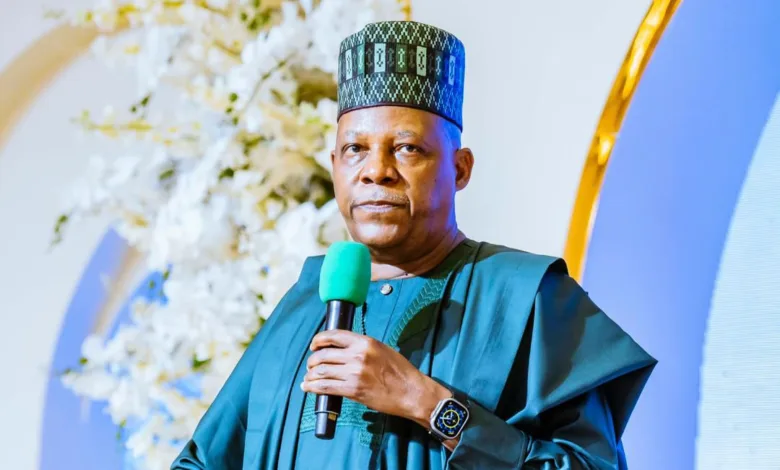
Vice President Kashim Shettima has unveiled the Nigerian Capital Market Master Plan 2.0, a 10-year roadmap designed to expand the country’s capital market to N750trillion by 2036 and mobilise long-term financing for infrastructure and economic development.
Shettima, while speaking at the National Capital Market Conference 2026 in Abuja on Monday, said the capital market had become a critical instrument of national economic policy and a major channel for financing Nigeria’s future.
The plan, developed by the Securities and Exchange Commission (SEC), targets growth from a baseline of about N250trillion to N750trilliion over the next decade.
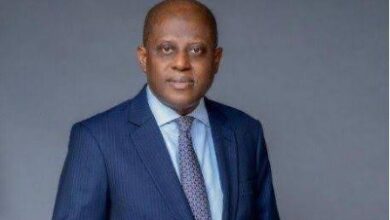
This is just as the SEC Director-General, Dr Emomotimi Agama, said the Nigerian Capital Market Master Plan 2026–2036 was designed to deepen market participation, expand investment products and strengthen the integrity and infrastructure of the capital market.



He said the initiative would position the market as a major source of financing for the Federal Government’s ambition of building a $1tn economy.
Shettima said Nigeria’s capital market had recorded significant growth since the Tinubu administration assumed office in May 2023.
According to him, the Nigerian Exchange All-Share Index rose from about 55,000 points in May 2023 to more than 260,000 points, while the value of listed equities increased from approximately N30tn to nearly N160trillion in January 2026.
He added that the combined value of the equities and bond markets had exceeded N217trillion, reflecting increased investor participation and the impact of economic reforms.
The Vice President attributed the growth to reforms undertaken by the Federal Government, including the removal of petrol subsidy, unification of the foreign exchange market, tax reforms, bank recapitalisation and the enactment of the Investments and Securities Act 2025.
He said the reforms, despite their short-term costs, had helped strengthen investor confidence by improving the policy framework and regulatory environment.
Shettima said the master plan would place the capital market at the centre of infrastructure financing, enabling governments to fund long-term projects through domestic savings rather than relying excessively on short-term or foreign borrowing.
He said the plan would also strengthen the bond market for state and subnational governments, broaden retail participation through technology and investor education, and provide opportunities for businesses in agriculture, solid minerals and other sectors to raise capital locally.
The Vice President, who chairs the National Economic Council, said he would work with state governors to encourage responsible use of the capital market through properly structured bonds, credible project pipelines and greater transparency.
According to him, access to capital market financing could promote fiscal discipline and strengthen accountability in public spending.
Shettima urged market operators and regulators to sustain the momentum, warning that policy reversals could undermine investor confidence and erode the gains recorded in recent years.
He said the success of the 10-year plan would depend on consistent policies, effective regulation and the ability of market participants to protect investors while expanding investment opportunities across the country.