UNICEF, Oyo advocate proper waste disposal to strengthen circular economy
By Adejayan Gbenga –
The United Nations Children’s Fund (UNICEF), the Oyo State Government, and a University of Ibadan scholar have emphasized the need for proper waste disposal practices among residents, especially in managing textile waste, as part of efforts to advance a circular economy in the state.
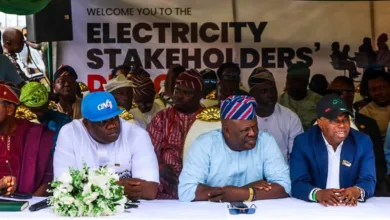
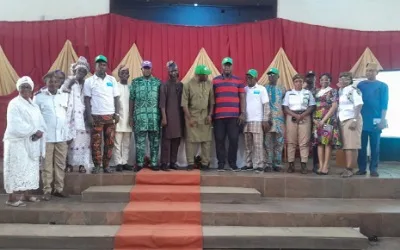
This call was made during the 2025 World Clean-Up Day celebration held at the House of Chiefs, Secretariat, Ibadan. The event, themed “Tackling Textile and Fashion Waste through Circular Fashion,” brought together key environmental stakeholders, including the Oyo State Commissioner for Environment and Natural Resources, Mr. Seun Ashamu; UNICEF’s Director of Water, Sanitation and Hygiene (WASH), Mr. Monday Johnson; and Dr. Femi Balogun, an environmental scholar at the University of Ibadan.
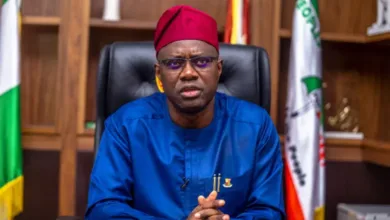
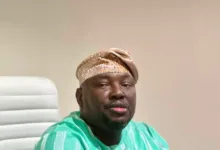
Commissioner Ashamu urged residents to adopt sustainable practices such as reusing and repurposing textiles to reduce waste and protect the environment. He called on traders and households to sort their waste properly, assuring that the government would continue to support recycling initiatives and promote responsible waste management across the state.

He reaffirmed the state government’s determination to enforce environmental laws strictly, warning that violators would face appropriate sanctions. According to him, the campaign was not only to mark the global clean-up exercise but also to raise awareness about the growing problem of textile waste and its impact on the environment.
In his address, UNICEF’s WASH Director, Mr. Johnson, encouraged Oyo residents to embrace sustainable consumption habits and reduce textile pollution. He explained that textiles contribute significantly to environmental degradation and called for greater responsibility in clothing production, use, and disposal.
Delivering a lecture titled “Tackling Textile Waste Through Circular Economy,” Dr. Balogun, represented by Dr. Deborah Adeyemi, highlighted the importance of adopting a circular economic approach to waste management. He said such an approach allows materials to be reused and recycled efficiently, minimizing environmental harm and promoting long-term sustainability.
Also speaking, the Chairman of the Oyo State House Committee on Environment and Ecology commended the Ministry of Environment for its efforts in promoting a cleaner and healthier environment. He reaffirmed the legislature’s support for policies that encourage sustainable waste management practices and environmental protection.
Participants at the event expressed optimism that the partnership between UNICEF, the state government, and the academic community would help strengthen public awareness on waste reduction and accelerate Oyo State’s transition toward a more sustainable circular economy.