A distant war, a nearby fire — by Gimba Kakanda
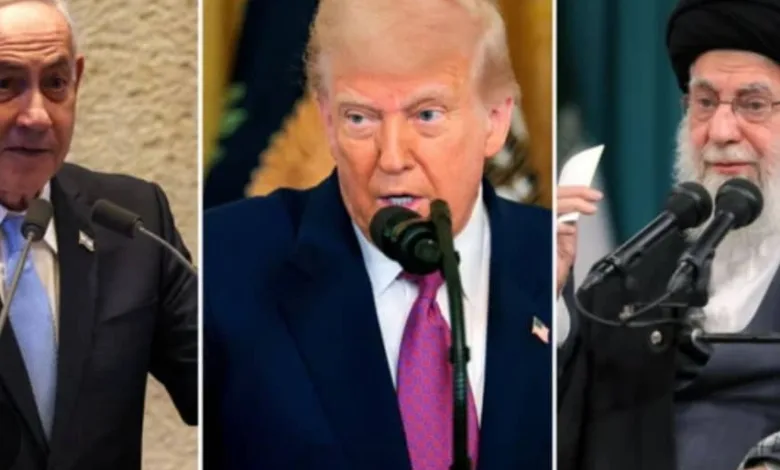
Even as a country overwhelmed by a domestic security crisis, I think it is delusional to police those who see the connection between conflicts in the Middle East and what we experience here. They have every reason to be wary. It is not only because faith-based allegiances at home can be mobilised in sympathy with parties to those conflicts, with one bloc instinctively reading events through an Iranian lens and another through an Israeli one. It is also because every distant war arrives here as a local argument, repackaged for ideological recruitment and grievance.
The dominant framing of what is happening in the Middle East can be exploited by those nursing ambitions of religious war, and it can accelerate arms proliferation in an already volatile world. We have seen this film before. The collapse of Libya did not remain a Libyan tragedy; it became a regional armoury, with weapons and fighters dispersing across fragile borders, feeding insurgencies and organised violence in the Sahel, and strengthening the ecosystem in which groups like Boko Haram thrive. When great powers trade blows, as they are doing in the Middle East now, the shrapnel travels without visas.
This is even more so because Nigeria, too, is on the menu of great-power politics. Our size, strategic location, resources, and diplomatic weight make us attractive terrain for proxy games and influence operations. Nothing is easier to weaponise than identity. The cynical inflation of “Christian genocide” claims, circulated as political ammunition rather than as a call to justice, is one of the most combustible tools in that arsenal: it is designed to harden camps, delegitimise the state, and set communities against one another until the country feels ungovernable.
The point is that we do not live in isolation, and we are not immune to the ripple effects of a world sliding into confrontation. If sense does not take charge of those with thumbs on nuclear buttons, the warning shots will keep echoing in places like ours, where the ground is already dry for a fire we do not have the capacity to stop.