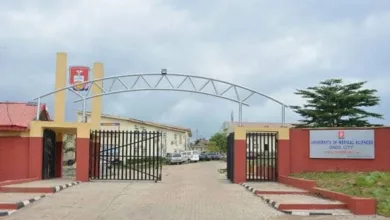
Varsity don seeks funding for alternative aquaculture feed proteins

By Mosunmola Ayobami, Ilorin
A professor in the Department of Aquaculture and Fisheries at the University of Ilorin, Prof. Wasiu Jimoh, has called for dedicated funding and commercialisation support for the development of alternative protein sources for aquaculture feeds.
Jimoh urged federal and state ministries of agriculture, universities, research institutes and feed manufacturers to collaborate on developing protein sources from underutilised plants, insects and agro-industrial by-products. He said the initiative would reduce dependence on imported fishmeal and soybean meal while lowering feed costs for fish farmers.
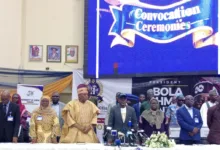
The don made the call on Thursday while delivering the university’s 306th inaugural lecture, titled “Green Feeds, Healthy Fish: Enhancing Aquaculture Productivity.” He also urged universities, research institutes, biotechnology companies and commercial feed millers to jointly develop and transfer affordable feed-processing technologies, including fermentation, extrusion, enzyme supplementation and thermal processing to manufacturers and farmers.

According to him, such technologies would improve nutrient digestibility, reduce anti-nutritional factors and enhance the nutritional quality of locally produced aquafeeds. He further advocated integrated waste-to-feed programmes involving environmental agencies, waste management authorities, agribusinesses and aquaculture entrepreneurs to convert fish-processing waste, insect biomass and agricultural residues into quality feed ingredients.
Jimoh also called for collaboration among universities, pharmaceutical and nutraceutical companies, aquafeed manufacturers and research institutes to develop, validate, register and commercialise phytogenic feed additives derived from indigenous medicinal plants. He said the additives could improve gut health, nutrient utilisation and disease resistance while reducing dependence on synthetic chemotherapeutics.
Similarly, he urged feed manufacturers, veterinary professionals, fish health specialists and regulatory agencies to formulate, certify and promote functional aquafeeds containing probiotics, prebiotics, synbiotics and natural immunostimulants. He said their routine use would strengthen disease prevention, reduce antibiotic misuse and improve fish welfare and productivity.
The inaugural lecturer called on the Federal Government, through the Ministry of Agriculture and Food Security, relevant regulatory agencies and the National Assembly to formulate policies providing research grants, tax incentives and innovation financing for sustainable aquafeed development while enforcing feed quality and safety standards. He also urged Agricultural Development Programmes, extension agencies, universities, NGOs and farmers’ associations to organise regular hands-on training on low-cost feed formulation, feed processing, fish health management and sustainable production practices to improve small-scale farmers’ technical capacity and profitability.
Finally, Jimoh urged universities, market research organisations, agribusinesses and government agencies to conduct regular consumer preference and market intelligence studies to ensure aquaculture production responds to demand for quality, safe and sustainably produced fish. He also advocated investment by government, development finance institutions, commercial banks, private investors and fish farmers’ cooperatives in modern fish-processing facilities, cold-chain infrastructure, packaging and value-addition enterprises to strengthen the aquaculture value chain.