Why I won’t vote for Atiku again in 2027 presidential election — by Abdulhaleem Ringim
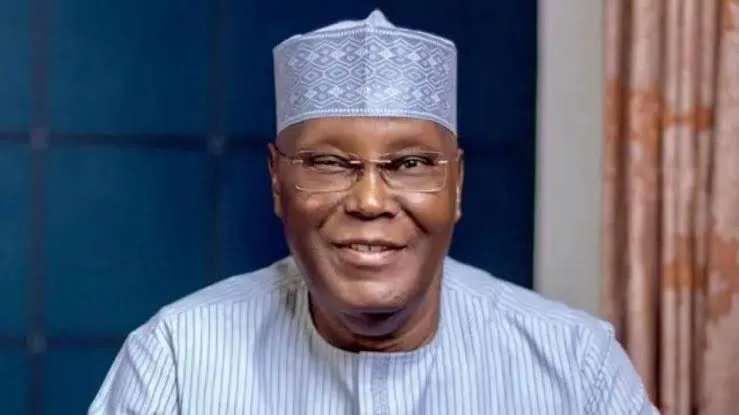
For the first time since becoming of age to vote, I would be supporting a candidate other than Alhaji Atiku Abubakar. I supported AA in 2019 against Buhari, and in 2023 against BAT.
The foundation of my consistent support for AA has largely been ideological. I had always thought of him as the most prepared candidate. There had been a consistent alignment between my preferred policy outlook and his policy orientation as codified in his successive policy documents. Most importantly, I had always considered him to be disruptively reformist; having the courage and character to pursue certain policy options I consider necessary for Nigeria’s long term prosperity, even if initially difficult.
That ideological alignment seems to have shifted with the recent change in AA’s position on matters of economic policy. Removal of fuel subsidy is one policy I support, for both its standalone fiscal implications and its contribution to the collective economic reform program of this administration. I understand that the impact of the combined effects of these policies have significantly affected citizen welfare (myself included), but I believe it to be a necessary step towards macroeconomic stabilization and subsequent economic growth, which will Insha Allah reverse the hardships.
Now this is one policy that both AA and BAT agreed was necessary pre-2023 for Nigeria’s economic survival. And both of them knew the implementation was going to be difficult. However, I was even more confident in Atiku’s courage to go through with such a policy than Tinubu (no matter the populist temptation) because of his well-stated belief that they were indeed necessary for long term prosperity. Because of what I thought was a clear vision. I knew that even I, myself, may be affected and would possibly complain. And I Infact did complain, and may still be complaining, but that is why I supported a candidate who I thought would be steadfast on that reformist path even when its consequences reaches me. I believe in the outcome and vision if we are to hold on steadfast.

Nevertheless, it would be hypocritical of me to suggest that a person should not stay ready to change any position of his if and when faced with compelling reasons. It is only that I am not convinced of the reasons being echoed as justification for AA’s pivot in this regard. I am also very keen on the counterfactual — what would have happened if these reforms had not taken place. I think it is easier to want to reverse such policies now because we have been rescued from the brink, unlike pre-2023 when we were at the brink of economic collapse. This may perhaps be because of my economic ideological leanings and policy outlook, which is not rigid, but result-oriented. And my personal assessment of the Tinubu’s economic policy direction has returned results that I am comfortable with as both signals of macroeconomic stability, and foundations for future economic growth.
I genuinely feel that reversing these policies, even while it may promise some relief in the short term, would take us back several years in our economic stabilization and growth journeys. The relief would be temporary, and the pains that will succeed it will be far more excruciating than whatever we are experiencing today. This, I believe, would leave us with an economy much more difficult to fix. Therefore, because of this personal assessment, and my inclination towards a long-term policy outlook, I support the continuation of the reform program and completion of Asiwaju’s 8-years term.
Most importantly, I would be supporting President Tinubu because, far from just an expectation, he has indeed proven to have the reformist courage and character I had always fancied in a President. In him, I have found exactly what I was looking for in Atiku Abubakar.
I am not claiming that everything is ok, of course not. But I have learned to be able to “hold two opposed ideas in the mind at the same time, and still retain the ability to function”, F. Scott Fitzgerald refered to this ability as the test of a first-rate intelligence. I recognize that while I may be comfortable with the macroeconomic outlook, other issues like insecurity remain of most crucial concern. And this is an aspect the government would need to significantly improve on. I recognize this, but still support continuity.
And this, perhaps, is largely because I have not seen any compelling arguments about what other candidates would do differently in the fight against insecurity that would be more effective. And considering the fact that the level of complication of the current insecurity situation results from a compounding effect of the failures of previous administrations, my conclusion on the matter is that no administration emerges as an unqualified security success. But again, the result of my comparative assessment of the successive administrations reveals to me that Jonathan’s administration witnessed the most severe escalation of a concentrated insurgency; Buhari’s administration presided over the proliferation of other security threats even while the main insurgency he inherited may have been relatively degraded; and Tinubu’s administration has yet to achieve a sustained reversal of the resulting nationwide insecurity even while there are substantial gains.
This does not excuse the Tinubu administration, but it puts things into comparative perspective. And combined with the fact I have not seen a better proposal from any other candidate on this matter, I feel supported in my preference for the continuation of the Tinubu administration while hoping and praying that the efforts will improve and a sustained reversal will be witnessed between now and early on in the next tenure.
One other vital and crucial reason is how the Uba Sani-led Kaduna State Government has substantially benefited from the impact of the culture of cooperative federalism that the Tinubu administration seems to be fostering. I have documented some of the gains from such cooperation which have been instrumental in cushioning the effects of the policies in question in a previous article titled “Tinubu, Uba Sani and the dividend of cooperative federalism”. You can read it from: https://www.thecable.ng/tinubu-uba-sani-and-the-dividend-of-cooperative-federalism/.
Notwithstanding, I will forever respect Alhaji Atiku Abubakar for sustaining my hope for a better Nigeria all those years, but the ideological alignment that elicited my consistent support for him against all odds and without ever knowing him up close until after the 2023 elections seems to have shifted. And from where I stand, I am convinced that it is him that has shifted, not me. And he has every right to, and may even be absolutely justified in his position. However, I am not convinced by the reasons behind the pivot and shall therefore not shift with him.
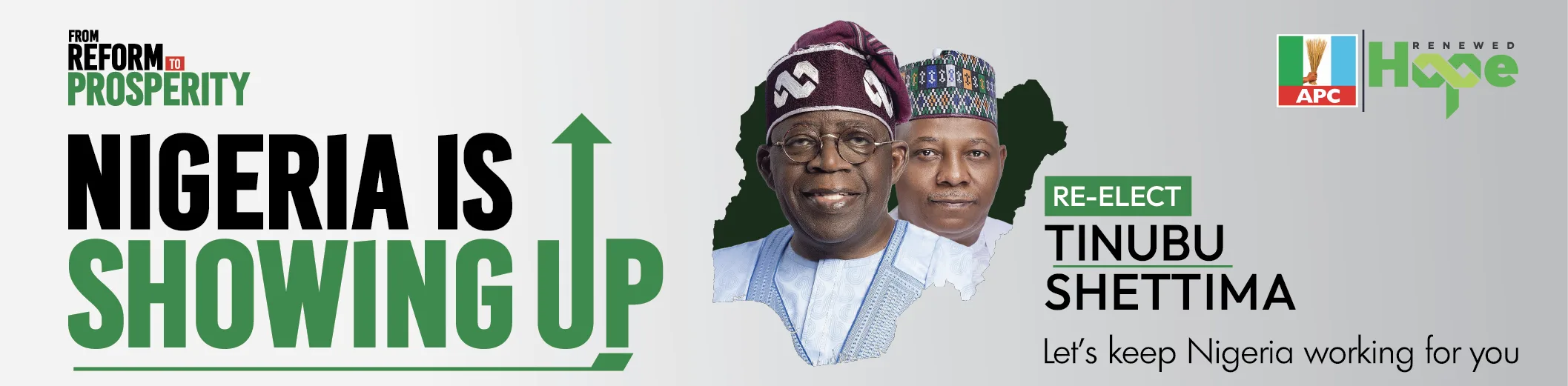
I wish them both the very best, while supporting Asiwaju to re-emerge victorious come 2027.
- Ringim is a public affairs analyst