APC rejects mock election figures showing Obi leading, calls them fraudulent
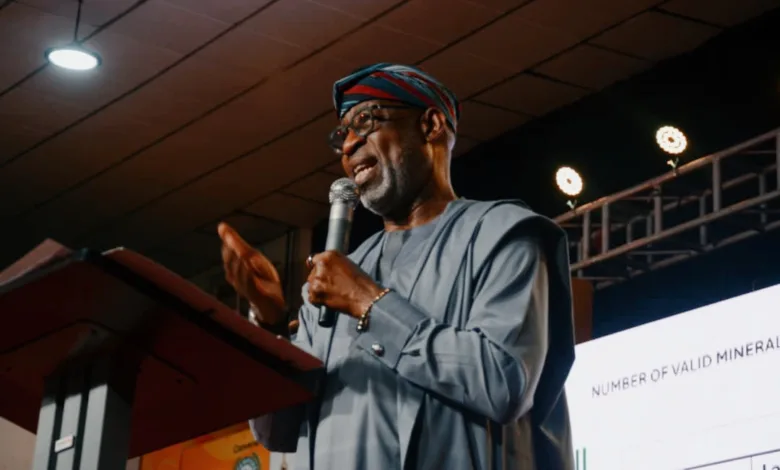
The All Progressives Congress Presidential Campaign Council has dismissed figures published by the Nigeria Election Intelligence System (NEIS), which purportedly showed Peter Obi leading the outcome of Saturday’s mock election conducted by the Independent National Electoral Commission.
The council described the figures as fraudulent and fabricated, insisting that INEC did not declare any results from the exercise.
In a statement on Sunday, Dele Alake, spokesperson for the APC Presidential Campaign Council, urged Nigerians to disregard the figures, describing them as an attempt to mislead the public.
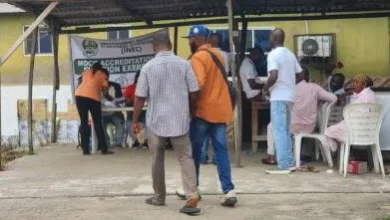
INEC conducted the mock election in two polling units in each ward nationwide as part of preparations for the 2027 general election.
According to the APC council, the exercise covered 17,618 polling units out of the 176,846 nationwide, representing approximately 10 per cent of the total.
It said the exercise was designed to test the effectiveness of the Bimodal Voter Accreditation System (BVAS), adding that the ballot papers did not feature political parties or their logos.
Instead, options such as “AQUA”, “BLUE”, “COAL”, “CYAN” and “GOLD” were used.
The council questioned how NEIS arrived at figures for political parties, including the APC, the National Democratic Congress and the African Democratic Congress, when none of them featured on the ballot papers.
“After the exercise, INEC did not collate or announce any results at the polling unit, ward, local government, state, or national levels. If the commission did not collate results, where did NEIS get the figures it claims to have recorded?” the statement asked.
It also questioned how the organisation arrived at more than 17 million votes from an exercise conducted in only about 10 per cent of the country’s polling units.
The APC campaign council further alleged that NEIS, which it described as a pro-NDC and pro-Obi organisation, had presented figures generated from what it called a simulation as though they were actual election results.
“If the exercise was merely a simulation, the figures should not be mistaken for a genuine representation of voters’ preferences,” it said.