EXCLUSIVE: Commuters decry 75% hike in transportation fare, transporters fault heavy rainfall
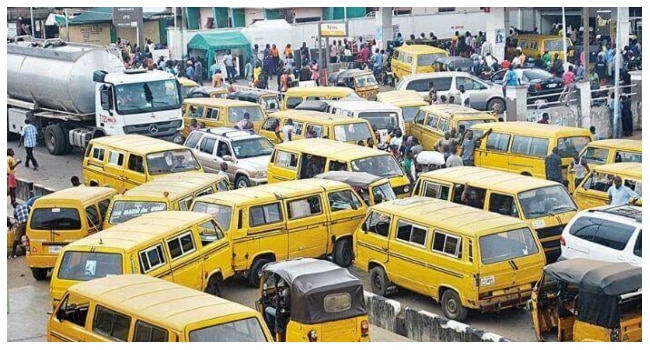
Commuters in Lagos, particularly along the Berger–Ogba axis, have expressed growing frustration over the sudden hike in transportation fares, accusing transport operators of acting with little consideration for the already strained financial conditions faced by residents.
Findings by Western Post reveal that transport costs have surged significantly across parts of the city, with some commuters reporting increases of up to 75 percent. The sharp rise has further compounded the economic pressure on workers who rely heavily on daily public transportation.
For example, several commuters disclosed that they paid as much as ₦700 to travel from Berger to Ogba on Thursday morning, a route that typically costs about ₦400, even after the recent nationwide increase in petrol prices. The unexpected jump in fares left many stranded and forced to make difficult financial adjustments.
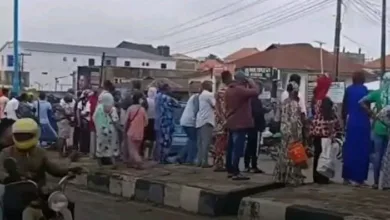
In addition, the usual flow of tricycles, popularly known as “keke,” was noticeably disrupted. Under the Berger Bridge, where commuters typically find a steady queue of tricycles heading toward Ogba, there was instead a large crowd of passengers competing for a limited number of available vehicles.

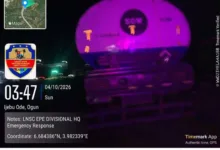


As a result, many commuters were left with no option but to accept the inflated fares in order to get to work on time. Several passengers expressed frustration, noting that lateness to work or missing important engagements was not a viable alternative.
Furthermore, commuters criticized transport operators for what they described as opportunistic behavior, arguing that, despite the prevailing economic hardship affecting most Nigerians, operators appeared to be exploiting the situation, attributing the fare hike to bad weather and poor road conditions while masking underlying profit motives.
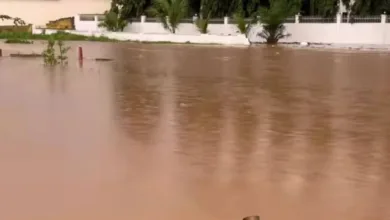
However, in an effort to present a balanced perspective, WP engaged several transport operators, who defended the increase, stressing that the fare adjustment was largely driven by the heavy rainfall experienced in the early hours of Thursday, which has worsened road conditions and increased operational challenges.
One bus driver explained that frequent exposure to waterlogged roads and potholes leads to higher maintenance costs during the rainy season, adding that, coupled with the already high cost of fuel, operators are under significant financial strain. Nonetheless, he acknowledged that transport unions could intervene to regulate fares and ensure that pricing remains fair across the board.