NITDA DG canvasses homegrown technology to strengthen Nigeria’s national security
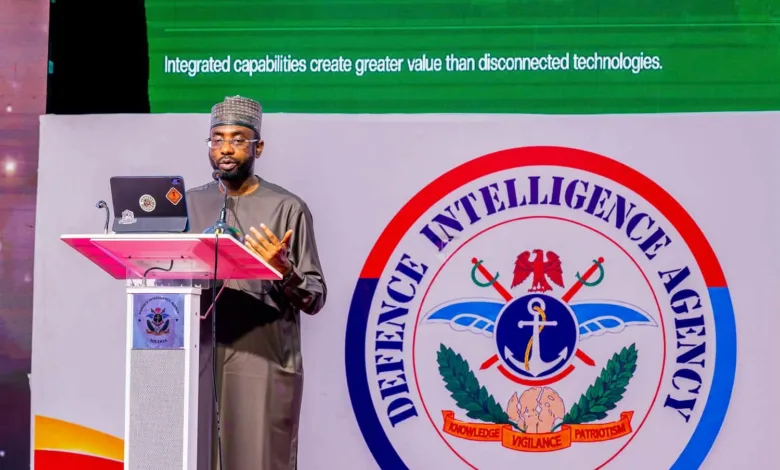
The Director-General of the National Information Technology Development Agency (NITDA), Kashifu Inuwa, has called for stronger collaboration between Nigeria’s technology ecosystem and the defence sector to develop indigenous digital capabilities, enhance intelligence operations and address the country’s evolving security challenges.
Inuwa made the call while delivering a keynote address at the Chief of Defence Intelligence Annual Conference 2026, organised by the Defence Intelligence Agency (DIA) in Abuja.
Speaking on the theme, “Optimising Nigeria’s Intelligence Enterprise through Technological Innovation and Strategic Partnership in a Complex Security Environment,” he emphasised the need for Nigeria to leverage its growing technology ecosystem to strengthen national security, reduce dependence on foreign technologies and build sustainable indigenous defence capabilities.
He noted that rapid technological advancements, particularly in artificial intelligence (AI), autonomous systems, data analytics and interconnected digital infrastructure, were fundamentally transforming intelligence gathering and modern warfare.




According to him, the growing convergence of physical, biological and digital technologies offers security agencies new opportunities to improve surveillance, intelligence analysis, threat detection and operational efficiency.
The NITDA DG stressed that Nigeria must move away from its traditional dependence on imported defence technologies and prioritise the development of homegrown solutions tailored to its peculiar security challenges.
“Those years are gone when we spend a lot of money to buy technology from foreign countries. Today, talent is everywhere,” he said.
He urged the defence sector to leverage the expertise of Nigeria’s young technology professionals, innovators and startups to develop solutions capable of strengthening the country’s defence capabilities.
Inuwa explained that countries without control over their data, communication infrastructure and digital platforms risk exposing sensitive information and vital national interests to external influence.