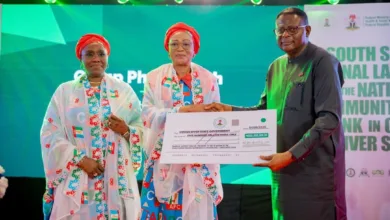
FG seeks stronger state partnership on human capital development

The federal government has reaffirmed its commitment to investing in health, education, nutrition and skills development, describing human capital as the cornerstone of inclusive economic growth and sustainable national development.
Speaking at the Human Capital Development Summit for Northern Nigeria in Abuja, the Coordinating Minister of Health and Social Welfare, Muhammad Ali Pate, said Nigeria’s greatest asset is its people, stressing that unlocking the country’s demographic dividend requires deliberate investments in building a healthier, better educated and more productive population.
“Nigeria’s greatest asset is its people. Unlocking our demographic dividend will require deliberate investments that build a healthier, better educated and more productive population capable of driving long-term economic prosperity,” Prof. Pate said.
The minister noted that investment in human capital is just as important as investment in physical infrastructure, saying improved healthcare, quality education and skills development are essential to increasing productivity, reducing poverty and strengthening national competitiveness.
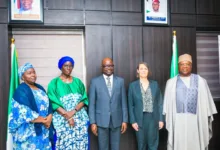



“Investment in human capital is as critical as investment in physical infrastructure. Improved health, quality education and skills development are essential to increasing productivity, reducing poverty and strengthening national competitiveness,” he stated.
Prof. Pate highlighted reforms being implemented under the administration of Bola Ahmed Tinubu, including expanded investments in primary healthcare, maternal and child health, health workforce development, tertiary healthcare infrastructure, domestic pharmaceutical manufacturing, digital transformation and strengthened sector governance through the Sector-Wide Approach (SWAp).
He acknowledged that human capital challenges differ across the country, stressing that addressing disparities wherever they exist is essential to achieving equitable national development. He also noted that while the Federal Government is driving reforms in the health sector, sustained progress depends on strong collaboration with state and local governments.
Calling on subnational governments to intensify investments in human capital, the minister urged them to improve learning outcomes, strengthen primary healthcare and create more opportunities for women and young people.