Group, states partner to bridge teacher, health worker gaps
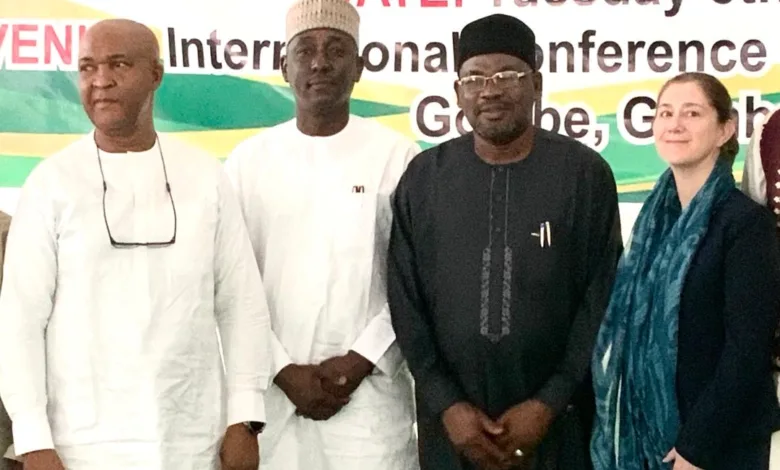
The World Bank-supported HOPE Governance Programme, under the Ministry of Budget and Economic Planning, says it is collaborating with state governments to tackle critical staffing shortages in basic education and primary health care.
The initiative focuses on improving both recruitment and equitable deployment of personnel, particularly to underserved and hard-to-reach communities where gaps in service delivery remain significant.
National Coordinator of the program, Dr. Assad Hassan, disclosed this during an interview on the sidelines of the HOPE Governance Program Implementation Support Mission for the North-East held in Gombe on Tuesday.
“We are also trying to improve the recruitment of teachers as well as primary health care workers. Not only recruitment, but also equitable deployment,” Hassan said.




He noted that deploying workers to remote areas continues to pose a major challenge, adding that the partnership is designed to complement ongoing efforts by federal and state authorities.
“There are challenges in deployment to areas that are hard to reach, so this initiative is an opportunity to strengthen service delivery in both basic education and primary health care,” he added.
The official further explained that addressing manpower shortages is tied to performance targets, with participating states expected to meet agreed benchmarks to access additional support.
He stressed the importance of accountability and sustained reforms to ensure long-term impact.
“We need to keep asking ourselves how to sustain the gains we have made and institutionalise these reforms. Without this, we cannot truly make an impact on citizens,” he said.