FESCA, NTJF, GRACO to host colloquium on security, economic growth

The Foundation for Ethical Society and Cultural Awareness (FESCA), in collaboration with the Naija Times Journalism Foundation (NTJF) and the Grassroots Center for Rights and Civil Orientation (GRACO), will on Tuesday host a virtual colloquium on the relationship between national security and Nigeria’s economic development.
The colloquium, themed “Security: The Key to Unlocking Nigeria’s Economy,” is scheduled for November 17, 2026, at 5:00 p.m. Nigerian time via Zoom. The event will bring together public affairs analysts, civil society advocates and development experts to examine the impact of insecurity on economic productivity, investment, employment and food security.
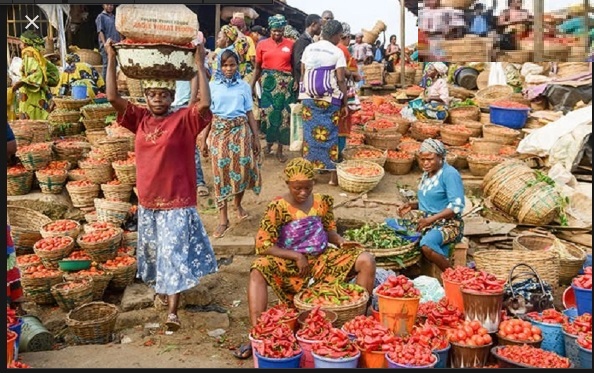
The organisers noted that insurgency, banditry, kidnapping and communal conflicts had disrupted livelihoods, displaced communities and weakened economic activities, particularly in agriculture, where farmers in some food-producing communities struggle to access their farmlands.
They added that insecurity had also increased business costs through additional spending on protection, logistics and insurance, while discouraging investors from establishing or expanding operations in affected areas.


The organisers said, “Meaningful economic reforms must be complemented by improvements in security, the rule of law, institutional effectiveness and public confidence.”
Four panelists are expected to speak at the colloquium, including Nosa Osaikhiwu, Founder of FESCA; Kayode Adebiyi, a Global Public Relations Strategist; Armsfree Ajanaku, Founder of GRACO; and Dr Charles Omorodion, a Leadership Management Consultant. They will examine issues ranging from ethical leadership and public communication to grassroots participation, institutional capacity and security reforms.
The discussion will be moderated by Ehi Braimah, publisher and editor-in-chief of Naija Times and Chairman of the Naija Times Journalism Foundation. The organisers said the event would explore practical solutions involving government institutions, the private sector, civil society groups and local communities to address insecurity and promote economic development.
Policymakers, security professionals, journalists, academics, students, civil society organisations and members of the public have been invited to participate.