JUST IN: Tinubu urges Nigerians to obey immigration laws amid U.S., UAE visa restrictions
By Kunle Sanni –
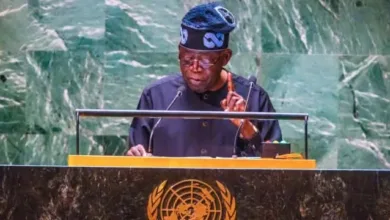
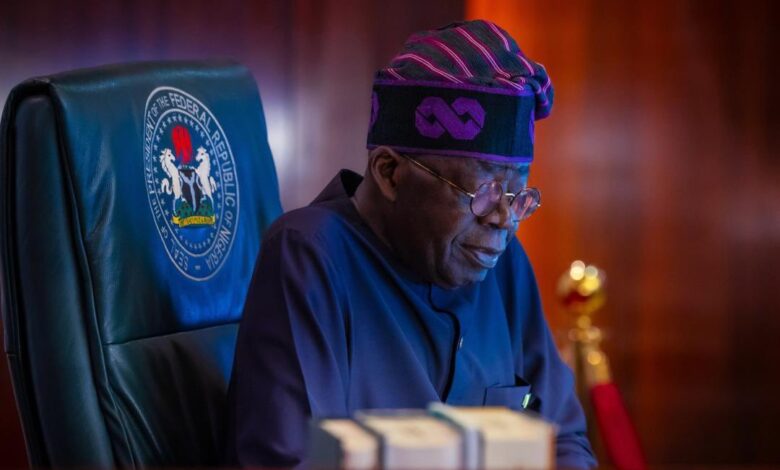
President Bola Tinubu has urged Nigerians living or travelling abroad to respect the immigration laws of their host countries, following recent changes in visa policies by the United States and the United Arab Emirates (UAE).
The U.S. government recently reduced the validity of non-immigrant visas for Nigerians from two years to three months, allowing only a single entry. The UAE, on its part, introduced new conditions requiring Nigerian applicants aged 18 to 45 to be accompanied by a sponsor or meet specific requirements to obtain tourist visas.
In a statement issued Tuesday by his spokesperson, Bayo Onanuga, President Tinubu called on relevant Nigerian agencies to ensure compliance with international obligations and improve identity verification and intergovernmental cooperation systems.

“President Tinubu calls on all Nigerians to respect the immigration regulations of their host countries and to uphold the integrity of the visas and permits granted to them,” the statement said.
The U.S. cited high overstay rates by Nigerian nationals and limited access to identity records as reasons for the revised visa policy. The move is part of a broader global visa reciprocity review assessing countries’ visa practices and compliance levels.
The Nigerian government acknowledged the concerns raised by the U.S. and said it is working with American authorities to resolve the issues through diplomatic engagement.
“Nigerian Ministries, Departments, and Agencies are working collaboratively to ensure the concerns raised by the United States are addressed through appropriate diplomatic channels,” the statement added.
On the UAE visa policy, the Presidency said that although no formal notice has been received, the resumption of transit visa issuance for Nigerians appears to be progressing gradually. President Tinubu thanked the UAE for its continued engagement and affirmed that any emerging concerns would be addressed through diplomatic dialogue.