Key outcomes of Iran-US talks in Switzerland; what next?

Mediators Qatar and Pakistan have said the United States and Iran agreed on “a roadmap towards reaching a final deal within 60 days”, following what they described as “encouraging progress” during the first day of high-level talks in Switzerland.
The discussions followed the signing of a 14-point memorandum of understanding (MoU) on June 17 that established a framework for de-escalation between Washington and Tehran and laid the groundwork for further negotiations.
The breakthrough came after a marathon 18-hour meeting at Lake Lucerne attended by senior officials from both countries.
The joint statement also announced the creation of a “de-confliction cell” aimed at ending Israel’s military operations in Lebanon, alongside a high-level committee and direct communication channels designed to support further negotiations.
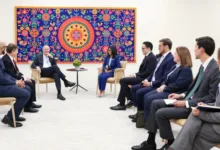

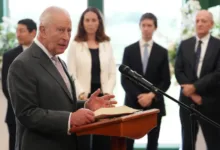
US Vice President JD Vance led Washington’s delegation, alongside President Donald Trump’s son-in-law Jared Kushner and special envoy Steve Witkoff. Iran’s delegation was led by Parliament Speaker Mohammad Bagher Ghalibaf and included Foreign Minister Abbas Araghchi.
“Yesterday was a very, very good day. We made a lot of good progress. We did exactly what we wanted to do,” Vance told reporters on Monday.
A high-level committee has been established to “provide political oversight on the mediation”, according to a joint statement issued by Qatar and Pakistan, which acted as mediators in the negotiations. The statement said the committee had “agreed upon a roadmap towards reaching a final deal within 60 days”, with further technical talks expected to continue over the next two months.
The parties have also established “a communication line” focused on the Strait of Hormuz to “avoid incidents and miscommunication with the aim of safe passage for commercial vessels through the Strait of Hormuz”.
The announcement comes amid continued disruption to maritime traffic through the strategic waterway, through which a fifth of global oil and gas passes. An analysis by maritime intelligence company Windward showed that 12 vessels crossed the strait on Sunday, down from 35 transits the previous day.
On Monday, Vance said the two parties will establish “coordination mechanisms”, one to oversee the ceasefire in Lebanon and one to de-mine the Strait of Hormuz.
Vance said technical negotiations will follow and will continue over the “weeks and days to come”. The technical teams from the US and Iran will continue to negotiate terms of peace with “proper oversight”, he added.
“The final deal is the house,” Vance said. “We set the foundation. We haven’t built the house, but we’ve laid a successful foundation to get to a good place for the American people.”
The agreement also includes the creation of a “de-confliction cell” intended to support efforts to “ensure the adherence of the termination of military operations in Lebanon”.
Araghchi also declared “major progress” towards ending the war in Lebanon, but cautioned that the first real test of the agreement would be the effectiveness of the “Lebanon de-confliction cell”.
Araghchi has also suggested that the agreement includes significant economic concessions from Washington, although the United States has yet to publicly confirm them.
In a post on X, he said sanctions on Iranian oil exports and petrochemical sales had been waived, the blockade had been lifted, some frozen Iranian assets had been released and a major reconstruction and development plan for Iran had been launched.
On Monday, Vance said that if Iranian assets are unfrozen, they will be used to buy American agricultural products. “They’re going to go to make American farmers richer and feed the Iranian people.”
Vance also said Iran had agreed to invite inspectors from the International Atomic Energy Agency (IAEA) back into the country, describing the move as a major milestone and the first step towards ending Iran’s nuclear weapons programme.
He added that the United States and Iran had made “a lot of great progress” on other nuclear-related issues, although he did not provide further details.
Credit: Aljazeera