
Lagos Assembly passes Tenancy Bill, introduces tougher penalties for illegal evictions
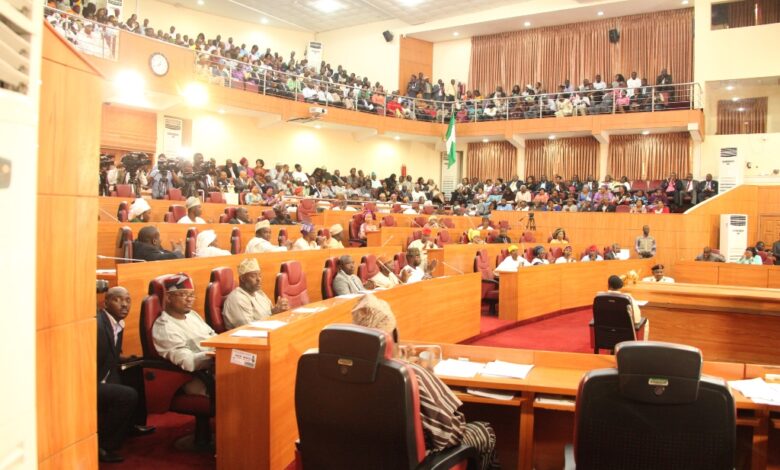
The Lagos State House of Assembly has passed the Lagos State Tenancy and Recovery of Premises Bill, 2026, introducing stricter penalties for unlawful evictions, tenant harassment and fraudulent court orders.
The proposed legislation, titled “A Bill for a Law to Regulate the Relationship Between Landlords and Tenants Including the Procedure for the Recovery of Premises in Lagos State and for Other Connected Matters,” seeks to provide a more structured and transparent framework for tenancy arrangements in the State.
It will be recalled that the Bill had earlier undergone a Public Hearing on Wednesday, August 13, 2025, where stakeholders in the housing sector, legal profession, real estate industry, government institutions and civil society organisations made submissions and recommendations towards strengthening the proposed legislation.
Presenting the report during plenary session on Monday, the Chairman, Committee on Housing, Hon. Olusegun Ege (Ojo 1), stated that the Bill is aimed at addressing prevailing challenges in the rental sector, while clearly defining the rights, responsibilities and obligations of landlords and tenants and providing appropriate procedures for the recovery of premises.




The bill, which replaces the 2015 Tenancy Law, seeks to regulate relationships between landlords and tenants, protect the rights of both parties and address unreasonable rent practices.
The legislation also introduces tougher measures against landlords who unlawfully evict tenants, harass them or resort to illegal means to recover possession of their properties. It further provides for stricter regulation of estate agents and property transactions, including the registration of agents with the Lagos State Real Estate Regulatory Authority (LASRERA).
It also requires landlords who become aware that their properties are being used for unlawful activities to report such cases to the appropriate authorities without delay. Failure to do so would constitute an offence.
The legislation further provides that anyone who obtains or attempts to obtain a court order concerning a property by deliberately supplying false information commits an offence.
Following deliberations on the Committee’s report, the lawmakers adopted it as the resolution of the House through a motion moved by Hon. Adewale Adedeji (Ifako-Ijaiye I) and seconded by Hon. Surajudeen Tijani (Ojo II).






 Follow our WhatsApp Channel