Lagos rolls out bold industrial policy to power jobs, investment in Africa
By Adeola Ogunrinde
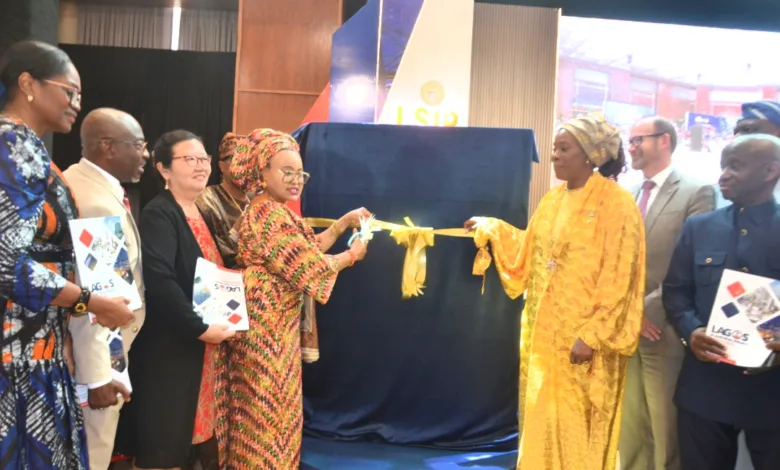
The Lagos State Government on Thursday unveiled its Industrial Policy for 2025 to 2030, setting out an ambitious roadmap aimed at transforming the state into a leading industrial hub in Africa.
The launch, held at the Intercontinental Hotel, Victoria Island, brought together government officials, industry leaders, and development partners to discuss the future of industrial growth in the state.
Speaking at the event, Governor Babajide Sanwo-Olu, represented by the Secretary to the State Government, Bimbola Salu-Hundeyin, described the policy as a strategic blueprint designed to reposition Lagos’ industrial sector for greater competitiveness in a rapidly changing global economy.



He explained that the policy is aimed at addressing structural challenges, unlocking new growth opportunities, and promoting inclusive economic development across the state, particularly for young people and small businesses.
Furthermore, the governor noted that Lagos must move beyond simply adapting to global trends and instead take a leading role in industrialisation, where innovation, efficiency, and resilience are key drivers of success. He added that the policy aligns with the state’s THEMES Plus development agenda as well as the Lagos State Development Plan, while also supporting national goals on diversification, export growth, and job creation.
The policy outlines key pillars including infrastructure development, regulatory reform, improved access to finance, workforce development, and the promotion of innovation and sustainability. In addition, Sanwo-Olu stated that the government will expand industrial clusters, improve logistics and port efficiency, and support small and medium-scale enterprises to scale up and integrate into regional and global value chains.
He also highlighted Lagos’ strategic position under the African Continental Free Trade Area, noting that the state is well placed to serve as a gateway for trade and industrial expansion across Africa, which could create more opportunities for young entrepreneurs and job seekers.
In his goodwill message, the Minister of State for Industry, John Owan-Enoh, commended Lagos for becoming the first sub-national government in Nigeria to develop a comprehensive industrial policy. Represented by Mr. Tope Osinowo, he urged effective implementation, stressing that Lagos already hosts a significant share of Nigeria’s industrial base and must sustain its growth trajectory.
Earlier, the Commissioner for Commerce, Cooperatives, Trade and Investment, Folashade Ambrose-Medebem, described the policy as a covenant between government and the people, aimed at strengthening local production, expanding value chains, and integrating informal enterprises into the formal economy, with a strong focus on creating opportunities for young people.