Nigeria donates cashew seeds, seedlings to Ethiopia, backs African food security

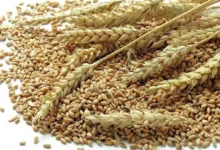
The Federal Government of Nigeria has donated 2,000 cashew seedlings and 100,000 cashew seeds to the Government of Ethiopia as part of efforts to strengthen bilateral agricultural cooperation and promote sustainable food systems across Africa.
The donation, which can cultivate up to 600 hectares of farmland, was received by Ethiopia’s Minister of State for Agriculture, Dr. Efa Muleta Boru. It follows an earlier gesture by the Ethiopian government, which donated 2,000 Haas avocado seedlings and 2,000 coffee seedlings to Nigeria in June 2025.
The agricultural exchange aligns with President Bola Tinubu’s agricultural transformation agenda and reflects Nigeria’s “Green Revolution Diplomacy” — a foreign policy approach that leverages agriculture to deepen regional ties and tackle food security challenges.
Meanwhile, Vice President Kashim Shettima arrived in Addis Ababa on Sunday to represent Nigeria at the second United Nations Food Systems Summit, scheduled to run from July 27 to 29. He was received at Bole International Airport by Ethiopia’s Deputy Prime Minister, Temesgen Tiruneh, alongside top Nigerian diplomatic officials.
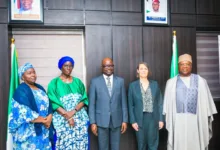
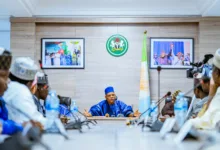

Shortly after his arrival, the Vice President met with members of the Nigerian delegation, including Ambassador Nasir Aminu and Executive Secretary of the Presidential Food Systems Coordinating Unit (PFSCU), Marion Moon, where he was briefed on Nigeria’s strategic objectives for the summit.
Shettima is expected to participate in high-level sessions on transforming the coffee value chain, as well as ministerial roundtables on public finance, trade, and responsible investment. He will also attend field visits and networking sessions designed to highlight practical examples of food systems transformation.
The 2025 summit convenes global leaders to assess progress made since the inaugural 2021 edition and accelerate actions towards achieving inclusive, resilient, and sustainable food systems worldwide.
Nigeria’s key goals at the summit include positioning itself as a continental leader in food systems reform, leveraging international partnerships aligned with national priorities, and promoting a private sector-led model for agricultural development across Africa.