How Genevieve Nnaji let a global moment slip, by Chioma Ahaghotu
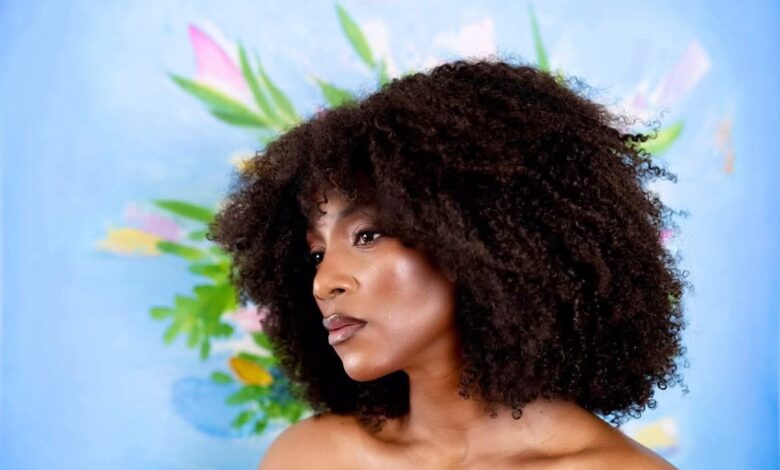
In 2018, when Lionheart premiered at the Toronto International Film Festival and was acquired by Netflix, it felt like a cultural inflection point. Nollywood, long dismissed as a low-budget industry with limited appeal outside Africa, suddenly had a global calling card, and Genevieve Nnaji was its face. She was poised to become the Ava Du Vernay or Issa Rae of African cinema: a visionary who didn’t just act or direct but built an empire, nurtured a movement, and owned a pipeline.
But six years later, what should have been the beginning of a legacy looks more like a missed moment.
Lionheart Wasn’t just a film. It was an opening.
Lionheart wasn’t groundbreaking in the plot, but it was a statement. It was a story of family, business, and competence, told cleanly, subtly, and without the usual melodrama. It had cross-generational appeal. It was safe but strategic: a film that global audiences could digest while still being proudly Nigerian. It also passed the technical test, high production value, clean sound, and good editing.
Netflix didn’t just buy Lionheart for its story. They bought into Genevieve. Into her brand. Into her promise. She had the charisma of a star, the vision of a director, and the global recognition that made her a perfect ambassador for African content. She was positioned to lead Nollywood’s transition from mass production to prestige storytelling.


Yet, after the fanfare, there was… nothing. No production studio rollout. No follow-up project. No content pipeline. No creator mentorship program. Not even co-productions with Netflix or partnerships with rising African voices. It’s not that Genevieve failed, it’s that she disengaged.
Meanwhile, the Industry Was Waiting for a Leader
At the time, Nollywood desperately needed someone to bridge the gap between local talent and international standards. Someone who could fight for better scripts, more thoughtful pacing, and global-facing storytelling. Netflix was actively shopping for African content, international film festivals were paying attention, and diaspora audiences were hungry for authentic but polished African stories.
Genevieve could have set the tone. She could’ve become a tastemaker, a gatekeeper, a builder. Instead, she vanished into mystery and silence.
Yes, she’s entitled to privacy. Yes, burnout is real. But the disappointment comes from knowing what could have been. Nigeria didn’t just need another actress-turned-director, it needed a mogul, a creative visionary, someone who could help professionalize the industry without compromising its essence. And she was It!
Netflix and the Great Pullout
Fast forward to today: Netflix and other major streaming services are quietly retreating from Nigeria. The optimism of the 2018–2021 period has cooled. Budgets are being slashed. Commissions are drying up. Have dried up. Many of the projects delivered didn’t meet quality expectations or suffered from storytelling issues. Audiences in the West didn’t respond the way the platforms hoped, and internally, many of these companies realized the infrastructure and production discipline simply weren’t there.
Genevieve could have been the exception, the proof of concept. A consistent slate of Lionheart-caliber productions could have sustained Netflix’s interest, drawn in new platforms, and encouraged global co-productions. But there was no slate. There was no brand. Just silence.
As Netflix turns its gaze elsewhere, India again, the Middle East, Latin America, Asia, Nollywood is once again left fighting for visibility.
Genevieve had more cultural capital than all of her peers combined, but she never built the ecosystem.
It’s Bigger Than Her, But It Started With Her
This isn’t just about Genevieve. It’s about missed legacy. About what happens when talent doesn’t translate into infrastructure. She could have opened doors, not just for herself but for an entire generation of Nigerian and African filmmakers looking for a model, a mentor, or a movement.
Instead, the only lesson left is a cautionary one: being the moment isn’t the same as building a movement. And if you don’t seize the platform when it’s handed to you, the industry will move on. The spotlight doesn’t wait forever.
Now, as Nollywood reels from the streaming cold shoulder and creators scramble to reposition themselves, the question lingers:
What could have been, if Genevieve had leaned all the way in?