Okechukwu blames PDP for Nigeria’s debt crisis, defends Tinubu’s borrowing plan
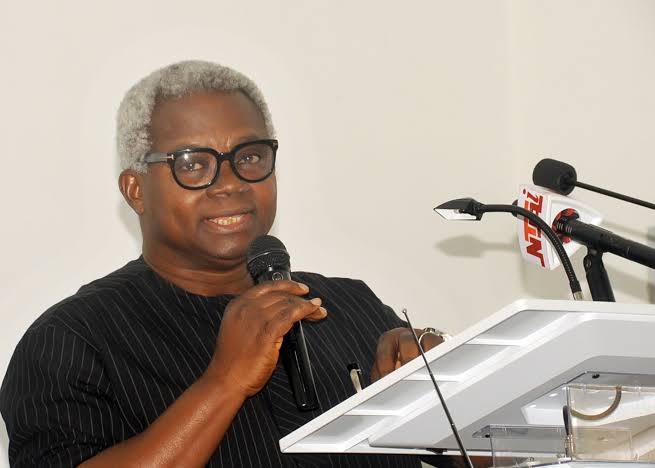
A founding member of the All Progressives Congress (APC), Osita Okechukwu, has dismissed criticism of the Tinubu administration by the African Democratic Congress (ADC), insisting that the opposition People’s Democratic Party (PDP), not the APC, mortgaged Nigeria’s future through failed economic policies.
The ADC had on Sunday accused President Bola Tinubu’s government of “fiscal vandalism” over the recent National Assembly approval of $21 billion in foreign loans. The party claimed that the continued borrowing spree could push Nigeria’s public debt beyond N200 trillion by the end of 2025, without visible economic progress to justify it.
Speaking to reporters in Enugu, Okechukwu said it was under the PDP-led government that Nigeria’s economy was compromised, especially through what he described as a flawed and opaque privatisation programme in the power sector. He specifically cited the sale of NEPA, PHCN, and the Mambilla project as detrimental to national development.
“My candid position is that the leadership of the ADC are the true vandals who mortgaged Nigeria’s today and tomorrow. Nigerians have not slept since the day they auctioned NEPA/PHCN/Mambilla under all manner of conspiracy theories,” he said.

He challenged the ADC to release the House of Representatives’ 2009 report on alleged mismanagement of $16 billion in the electricity sector during the PDP era, commonly referred to as the Ndudi Elumelu Report. He also linked the privatisation to stifled investments in key sectors such as the Aluminum Smelter and Ajaokuta Steel.
Okechukwu criticised former PDP members now in the ADC for abandoning internal reforms in their original party, opting instead to attack the APC. He said their defection was an attempt to shift public focus from their past failings.
On the issue of debt, he cautioned President Tinubu against borrowing for recurrent expenditures or non-essential projects. However, he backed the idea of borrowing for transformative infrastructure, particularly in the power sector, describing it as crucial for Nigeria’s industrial revival.
He also advised the President to reconsider the $3 billion loan earmarked for the Eastern narrow-gauge railway, suggesting instead a higher investment in standard-gauge rail lines and a deep-sea port in the Niger Delta to better stimulate long-term economic growth.