Nigeria needs massive investment, infrastructure to host FIFA World Cup – Infantino
By Tosin Omojola
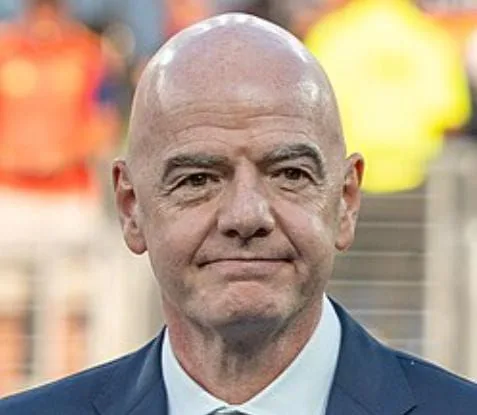
The President of the Fédération Internationale de Football Association (FIFA), Gianni Infantino, has identified investment, adequate resources and sustained infrastructure development as critical requirements for Nigeria to realise its ambition of hosting the FIFA World Cup.
Speaking in an interview, Infantino acknowledged Nigeria’s passion for football, noting that the country’s ongoing efforts to develop football infrastructure, including the construction of a national training centre, were important steps towards preparing for major international competitions.



He, however, stressed that hosting the global football showpiece would require significant financial commitment, world-class infrastructure and a clear development plan, particularly as the tournament continues to expand in size and organisational demands.
“This is investment, resources and the passion as well to see the project that we have planned,” Infantino said.
With the 2030 FIFA World Cup set to return to Africa through a joint hosting arrangement involving Morocco, Spain and Portugal, the prospect of another African nation hosting the competition has continued to generate interest across the continent.
Asked what Nigeria needed to do to become a World Cup host nation, Infantino emphasised the importance of sustained investment and adequate resources, while commending ongoing infrastructure projects, including the planned national training centre.
He described the facility as a positive development, adding that continued investment in football infrastructure would strengthen Nigeria’s capacity to host major international competitions.
The FIFA president also reflected on his first decade in office, expressing satisfaction with the organisation’s growth, improved governance structures, increased participation in men’s and women’s football, and expansion of its financial capacity.
According to him, FIFA’s revenue has increased significantly from just over $5 billion before his administration to about $16 billion in the current cycle, a growth he attributed to hard work, compliance and adherence to high organisational standards.