Nigeria unveils landmark Creative Economy Report at Lagos summit
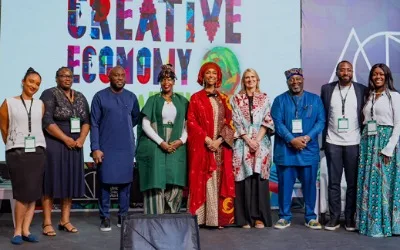
Nigeria has unveiled a groundbreaking initiative aimed at repositioning the creative sector as a key driver of national economic growth. The Creative Economy Data Mapping Report, a first-of-its-kind large-scale assessment of the nation’s creative economy, was officially launched by the Honourable Minister of Art, Culture and the Creative Economy, Barrister Hannatu Musa Musawa, at the Creative Industries Economic Coordination and Investment Summit in Lagos.
The event, which took place on Wednesday, was a flagship engagement under the 2025 Creative Economy Week, organised by the British Council. It brought together stakeholders from government, industry, finance, development organisations, and the wider creative community to align efforts toward unlocking the full potential of Nigeria’s creative and cultural industries.
The newly launched report provides a comprehensive analysis of opportunities across the entire creative economy value chain, including film, music, fashion, design, digital content, tourism, and cultural infrastructure. It identifies key sectors requiring urgent investment, infrastructure, and financing support, while outlining priority areas with high potential to drive inclusive economic growth and sustainable job creation.

In her remarks, Minister Musawa noted: “This report offers a holistic framework to understand and engage with the creative economy in Nigeria. It highlights the gaps and opportunities within the sector and provides a critical tool for both policymakers and investors to make data-driven decisions.”

The summit also featured strategic discussions on investment mobilisation for two key initiatives under the Ministry: the Creative Economy Development Fund (CEDF) and the Creative and Tourism Infrastructure Corporation (CTICo). These vehicles are designed to mobilise public and private sector financing, scale up interventions, and attract capital from development finance institutions.
As part of the proceedings, deep-dive validation sessions were held with key stakeholders to review and refine the report’s findings ahead of its official public release. These consultations were critical to ensuring that the final roadmap reflects real sector needs and is aligned with current market dynamics.
Reaffirming the Federal Government’s vision, Minister Musawa stated: “With this roadmap, we are laying the foundation to deliver on our bold commitment of creating two million jobs in the creative economy by 2030, in line with President Bola Ahmed Tinubu’s Renewed Hope Agenda.”
The summit concluded with strong stakeholder consensus on the need for coordinated action to transform the creative economy into a major contributor to Nigeria’s GDP, employment, and global cultural presence.