Nigerian indigenous crop seeds join NASA space mission for agricultural research

Nigeria has recorded a historic feat in space science with the launch of six indigenous crop seeds aboard NASA’s Crew-11 Mission for groundbreaking agricultural research aboard the International Space Station (ISS). The mission lifted off from NASA’s Kennedy Space Centre as part of the global World Seeds Payload experiment.
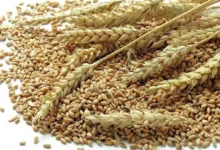
The seeds—okra, cowpea, Guinea corn (sorghum), amaranth, maize, and melon—were contributed by Nigeria’s National Space Research and Development Agency (NASRDA) and selected for their nutritional and agricultural value. They will be studied in microgravity to understand how they adapt in space, aiding research on climate resilience and food security.
Led by space tech firm Jaguar Space, the World Seeds Payload features participation from 11 countries, each providing seeds for experimentation. The initiative explores how Earth-based crops behave in outer space, offering insights into future sustainable agriculture on Earth and beyond.

Representing Nigeria at the launch was Olayinka Fagbemiro, Assistant Director of NASRDA’s International Cooperation & Linkages Department and project lead. She oversaw seed selection, documentation, and logistics following the signing of a Memorandum of Understanding (MoU) between NASRDA and Jaguar Space.


This marks the first time NASRDA is sending a biological payload aboard a crewed NASA mission. The agency said the project reflects its commitment to leveraging space science for national development and global scientific collaboration.
The mission also offers NASRDA the opportunity to validate earlier research by its Department of Physical and Life Sciences, which had studied similar seeds under simulated gravity conditions in Nigeria.

Officials described the project as a milestone for Nigeria’s space programme and a testament to the country’s emerging leadership in global space research with a focus on culturally relevant science.
Through this participation, Nigeria joins the international community of space-faring nations exploring the future of agriculture in extreme environments, contributing to solutions for food security and long-term planetary sustainability.