Peter Obi: Telling hungry family no is un‑African — by Olabode Opeseitan
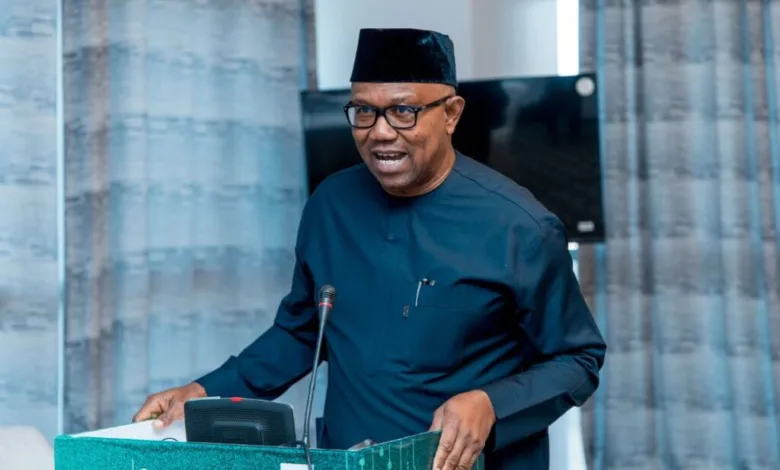
Mr. Peter Obi told Nigerians in the UK to say “No” to relatives asking for help, even as his own supporters urge the same diaspora to send money to mobilise voters. At a Manchester town hall he said: “You have people at home in Nigeria today who are begging you for money. Tell them no.” Weeks earlier, Obidient Connect, a diaspora group backing him, asked Nigerians abroad to “sponsor” ten voters back home. The same community is told to turn away a hungry family member but fund a stranger’s journey to the polls. It is a counsel that cuts against the grain of African life, where shared obligation is the first duty and hunger is never met with a closed door.
Nero is remembered for playing his lyre while Rome burned. Obi’s counsel carries that same chill, because it asks the comfortable to look away from hunger and call it strategy. A leader who tells the diaspora to turn their backs on need is not speaking to the country as it is, but to a theory of politics in which suffering becomes leverage and compassion becomes an obstacle.
For a politician whose brand rests on displays of empathy for the struggling masses, visiting them in IDP camps and marking his birthday among them, a call to withhold food and medical support from suffering relatives feels profoundly incongruous.
A man seeking the presidency should not tell the better‑off to shut the door on a hungry relative. It betrays a misunderstanding of the office he seeks.


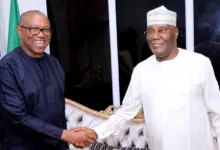
His justification is that hardship flows from bad leadership. In his view, remittances only cushion misrule, so cutting them off will force families to vote for “productive leaders.” Bad governance does cause the hardship, and no one disputes that. But the argument asks the starving to wait months for a ballot. It also treats a mother’s medicine and a child’s school fees as bargaining chips.
He rests his authority on his record: “I’ve not seen one governor who has saved 10 % of what I saved.” That record is contested. Anambra’s government rejects the ₦75bn savings claim as “nebulous creative accounting.” It says the First Bank account he named for the ₦2.13bn ecological fund never held that amount, and it lists eight external loans still owing ₦127.4bn. Obi denies all of it and has staked his campaign on the ecological fund. No verdict has been delivered, but the dispute is serious.
The pattern deserves scrutiny. Obi was a Fidelity Bank Plc shareholder and former chairman, and he says he does not own or control it. NEXT International, the family firm he founded, is reported to have equity in the Onitsha brewery in which the state invested about ₦2bn (approximately $12.6 million back then). He says he stepped aside in 2006 and transferred his shares to family. Critics see a conflict of interest in public money sitting beside a family stake. These are questions, not findings, but a man who sells himself as a model of probity must answer them.
Whatever the truth of his record, remittances are not a trivial cushion. In 2018 formal inflows were about $24bn, against about $6.3bn from crude oil sales into the Federation Account. In 2022 the NNPC Limited remitted nothing to the Federation Account, while Nigeria received about $20bn from abroad. The state failed, and ordinary Nigerians abroad quietly carried the country. Telling them to stop is like telling the only working pump to switch off.
The moral case is straightforward. Help given to the hungry does not become wrong because the government has failed them. A failed state makes private compassion more necessary, not less. The obligation is also real. Nigerians abroad often owe their schooling, their passage and their start to relatives who sacrificed first, and the help they send is repayment of that debt.
The humanitarian and societal cases are equally strong. Remittances pay for hospital bills, rent and food today, and no manifesto delivers these overnight. They also fund the small trades, farms and apprenticeships by which families grow their own way out of need. Africa has long lived by shared obligation, whether through the Igbo umunna, Yoruba esusu and owe labour pools, or Hausa and Fulani communal support. Our traditions say no one eats while a neighbour starves. No Nigerian culture teaches “Tell them no.”
The contradiction sharpens when Obi’s counsel is set beside the “sponsor ten voters” call. The group’s own wording invites the charge of vote‑buying, and the legal line is thin. Section 225 (3) of the Nigerian constitution bars parties from holding foreign funds, though lawyers told TheCable that candidates and campaign organisations are not covered. The law may allow it, but the double standard remains.
Nigerians abroad should keep helping their people at home. They should also keep demanding better governance, and nothing makes the two aims incompatible. A leader who understood the country would ask the diaspora to do both: feed the family and fix the system. Obi’s counsel asks them to abandon the first in order to serve his version of the second. A people who cooperate to grow should not take lessons in heartlessness from a man whose own record still carries unresolved questions.