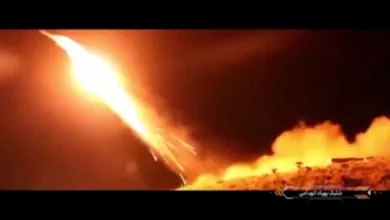
Trump grows angry over reports on depleted munitions, believing it weakens him in Iran negotiations
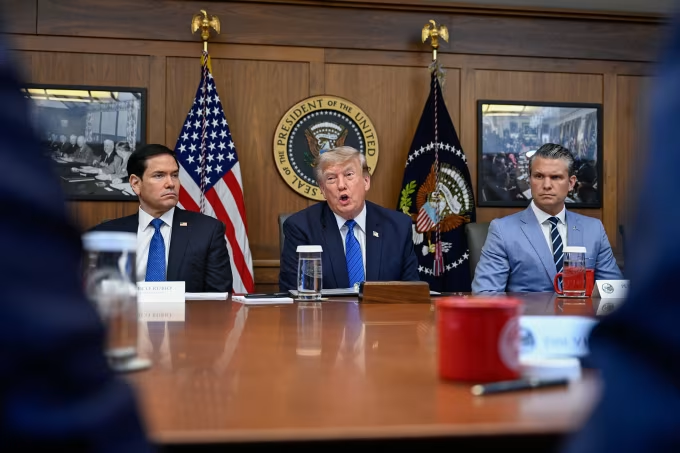
President Donald Trump has privately complained in recent days that reports about dwindling US munitions stockpiles make the United States appear weak at a critical moment, as he continues to threaten further military action to pressure Iran into reaching a deal, according to senior US officials.
The issue dominated last week’s Cabinet meeting at Camp David, where Trump expressed frustration over media reports detailing low US weapons stockpiles, according to six sources familiar with the meeting. Officials said Trump had been aware of the situation for months and was not caught off guard by the reports.
However, he was angered that the information became public at a time when he wanted to project strength amid tensions with Iran.
“The U.S. has massive amounts of ‘munitions,’ especially of certain types,” Trump wrote on Truth Social shortly after midnight on Thursday. “Additionally, large amounts are being manufactured and shipped to the U.S. as needed. Defense companies are building the largest number of plants and factories in our country’s history.”




Despite that assurance, Trump appeared to acknowledge that some of the reports were accurate. He also threatened “long term jail sentences” for those responsible for leaking the information.
White House officials said Trump’s frustration is not directed at Defense Secretary Pete Hegseth. In another Truth Social post on Thursday, Trump praised Hegseth, saying he was “extremely happy with the job that Pete Hegseth is doing.”
According to officials, Trump has instructed the Justice Department to identify what he described as “treasonous” individuals within his administration responsible for leaking the information.
His anger intensified after several media reports highlighted shortages in key US missile stockpiles. CNN reported this week that the US military has used nearly four-fifths of its Terminal High Altitude Area Defense (THAAD) missile inventory and about half of its Patriot interceptors since the conflict with Iran began.
The Center for Strategic and International Studies estimates the United States possessed about 2,200 Patriot interceptors and 452 THAAD missiles before the Iran conflict started.
The shrinking stockpiles have raised concerns among US officials and Gulf allies, who fear shortages could weaken regional air defence capabilities if Iran retaliates against further US military action. Several Gulf countries depend heavily on American air defence systems.
According to a regional official, Iran has warned Gulf nations that renewed US attacks could trigger strikes on energy infrastructure and desalination facilities. Trump has held discussions with the leaders of Qatar and Saudi Arabia over the past week about the conflict.
White House officials also believe some of the leaks may have come from anti-war officials seeking to influence Trump’s approach and push for a reduced US military role in the conflict.
The issue resurfaced before Trump decided last weekend to cancel planned strikes on Iran. It marked at least the second occasion in recent weeks that senior military advisers warned him about dwindling supplies of key munitions during discussions on possible escalation.
Military leaders, including Joint Chiefs of Staff Chairman Gen. Dan Caine, had also warned before the conflict that a prolonged campaign could strain US weapons stockpiles, particularly those supporting Israel and Ukraine.
Trump has repeatedly blamed the previous Biden administration for reducing US stockpiles through arms shipments to Ukraine.
“We have a lot. I’d like to have more, to be honest, but so much was given to Ukraine by Biden,” Trump told reporters aboard Air Force One on July 27.
The Pentagon has long expressed concern about the defence industry’s ability to replenish weapons quickly, a challenge made worse by the conflicts in Iran, Gaza and Ukraine.
Last month, Trump met with executives of major defence contractors, including Lockheed Martin, at the White House to push for increased weapons production. He also invoked the Defense Production Act to compel defence companies to manufacture more weapons, warning that existing conditions posed a direct threat to national defence.
However, officials acknowledge those measures could take years to significantly increase production.
Credit: CNN