Why Rivers impeachment move faces legal hurdle — Mahmud Jega
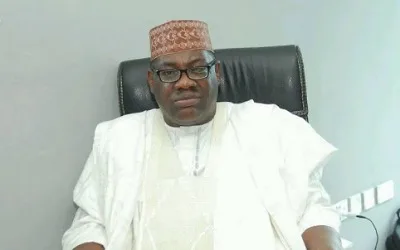
Former Special Adviser to ex-President Muhammadu Buhari on Media and Publicity, Mahmud Jega, has identified the Rivers State Chief Judge as the major obstacle confronting the ongoing move by the Rivers State House of Assembly to impeach Governor Siminalayi Fubara and his deputy.
Jega said impeachment proceedings against governors and their deputies often succeed only with the cooperation of the state’s Chief Judge, who constitutionally appoints the panel to investigate allegations levelled by the legislature.
Speaking on Arise News, he recalled that historical impeachment cases since the Second Republic have typically relied on what he described as “a certain level of partisanship” from Chief Judges to ensure panels return guilty verdicts against affected officeholders.
He noted that although courts in the past had ruled that impeachment processes were beyond judicial interference, the situation in Rivers State appeared different, as court orders had already stalled the current process.


According to the political analyst, lawmakers aligned with former governor Nyesom Wike have the numerical strength in the House to impeach Governor Fubara, but have been unable to proceed due to the stance of the Chief Judge, Justice Samuel Amadi.
He alleged that this challenge was the reason attempts were made months ago to remove Justice Amadi from office, under claims of age falsification, which he described as a strategy borne out of frustration over his refusal to cooperate.
Jega explained that under the Constitution, once a panel appointed by the Chief Judge returns a verdict of not guilty, the impeachment process automatically ends, making the role of the Chief Judge pivotal.
He added that even if the pro-impeachment lawmakers succeed on appeal against the court orders halting the process, the Chief Judge would still be required to constitute the investigative panel, leaving the fate of the impeachment uncertain.