World Bank loans should drive lasting governance reforms, group says

The National Coordinator of the World Bank-supported HOPE Governance Programme, Assad Hassan, has urged governments at all levels to make strategic use of concessional loans from the World Bank to strengthen institutions and sustain governance reforms across Nigeria.
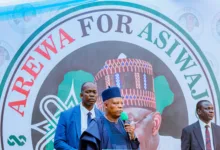
The call was contained in a statement signed by Joe Mutah, Communications Officer of the HOPE Governance Programme, after Dr. Hassan spoke on Tuesday in Enugu at the HOPE Governance South East Implementation Support Mission convened by the World Bank.
Dr. Hassan said while the World Bank had remained a strong development partner by providing soft and concessionary loans, Nigerian governments must ensure the gains of such interventions are sustained beyond the life span of the programmes.
“In as much as the bank is a significant partner in this, they are gracious enough to give us soft loans, concessionary loans, but I think the onus is on us to make sure that at the end of the day, we see how we can sustain these programs,” he said.



He explained that the HOPE Governance Programme was designed to strengthen governance systems and institutional mechanisms in the administration of basic education and primary healthcare delivery.
According to him, although Nigeria has benefited from several World Bank-supported reform programmes in the past, the real measure of success lies in sustaining the reforms and translating them into tangible results for citizens.
“What next? I think that question behooves us to look at ourselves in the mirror. What have we done after the precursor to this program — SFTAS? Did we just receive the incentives and move on?” he asked.
Dr. Hassan also stressed the need for state governments to reform their systems as proof of readiness for further interventions and support from multilateral institutions.