Adedapo Olagunju emerges as pioneer CEO of JPMorgan’s Nigeria operations

The Central Bank of Nigeria (CBN) has approved Mr. Adedapo Adedayo Olagunju as the proposed managing director of JPMorgan Nigeria.
Alongside Olagunju, the CBN also approved Latter Kevin George, Nzelu Chinedum Izunwanne and Syed Gabriel Murtaza as Non-Executive Directors, while Alade Sarah Omotunde, Ajayi Olukonyinsola and Adetu Seni were appointed Independent Non-Executive Directors.
The latest approval follows earlier steps by JPMorgan Chase & Co. to establish a merchant banking subsidiary in the country.
Olagunju, an Oxford-trained banker who has led JPMorgan’s West African operations since 2018, is set to head the American financial institution’s proposed merchant bank in Nigeria, following the CBN approval of his nomination as Managing Director.
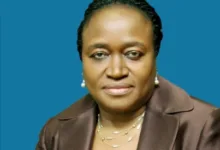



The CBN disclosed its approval of Olagunju’s nomination in a statement issued on Friday, alongside its decision to grant JPMorgan approval-in-principle to establish JPMorgan Merchant Bank Nigeria Limited.
The proposed bank is yet to receive a final operating licence.
For Olagunju, the appointment marks another milestone in a career that began in Nigeria’s investment banking industry. But long before managing financial markets and institutional relationships, his ambition was to explore space.
For Nigerian businesses, a locally licensed JPMorgan merchant bank could create additional options for arranging financing, raising capital and accessing international financial markets.
Its eventual contribution, however, will depend on the scope of its final licence, the services it offers and the scale of its operations.
The bank’s entry could also increase competition in Nigeria’s merchant banking market, where specialised financial institutions help companies structure transactions, raise debt and equity, and finance large-scale projects.
The CBN said the approval followed the implementation of its banking-sector recapitalisation programme, which was designed to strengthen the resilience and capacity of Nigerian banks.
The recapitalisation exercise requires lenders to meet higher minimum capital thresholds based on their licence categories and permitted operations.
The policy is intended to improve banks’ capacity to absorb shocks and finance larger transactions, although its longer-term impact will depend on asset quality, governance and the wider economic environment.
CBN Governor Olayemi Cardoso said the regulator wanted to build a financial system capable of supporting investment and economic growth while remaining competitive and connected to international markets.
“We are encouraged by the growing interest of international financial institutions in Nigeria. Our focus remains on sustaining the reforms, strengthening the credibility of our markets and creating an environment in which both domestic and international institutions can participate and thrive,” Cardoso said, according to the CBN’s statement.






 Follow our WhatsApp Channel