
Zelensky criticises Trump over ‘strange’ friendship with Putin
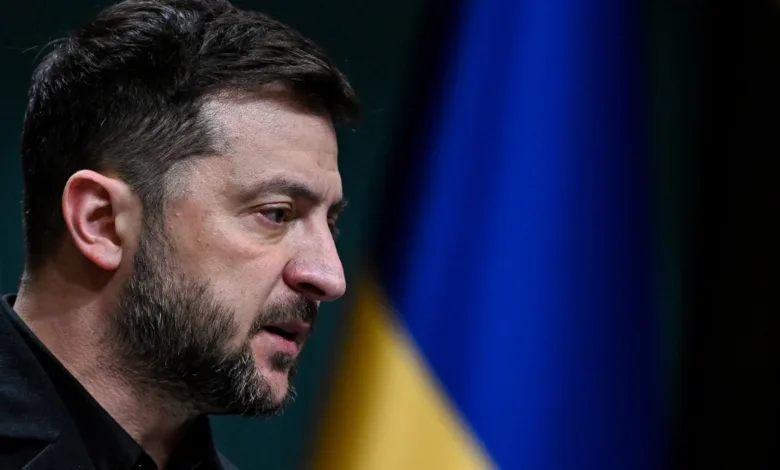
Ukrainian President Volodymyr Zelensky has expressed frustration with the United States, criticising President Donald Trump for describing Russian President Vladimir Putin as “my friend” and accusing Washington of delaying the delivery of vital anti-ballistic missile systems needed to protect Ukrainian lives.
In an interview with the BBC at his office in central Kyiv, Zelensky said the US was not putting enough pressure on Russia during peace negotiations and described as “strange” a photograph Trump posted of himself embracing Putin.
“Of course, it’s up to the President of the United States, but… it’s strange,” Zelensky said, speaking in English.
“He’s an aggressor and a killer. He can’t be a friend. Just cannot be,” he said, comparing the relationship to someone describing Adolf Hitler as a friend during World War II.

Zelensky has been cautious in managing relations with Washington since his controversial meeting with Trump at the White House in 2025. However, he expressed concern that US envoys involved in efforts to negotiate an end to the Russia-Ukraine war appeared more sympathetic to Moscow’s position than Kyiv’s.
The latest round of peace negotiations, mediated in Abu Dhabi earlier this month, made little progress, with Zelensky describing the outcome as increasingly complicated. He said another round of talks was expected to resume in December.
Trump had earlier announced on his Truth Social platform that during his meeting with Putin in China the previous week, he urged Russia to end its military aggression across Europe, expressing optimism that a peace agreement with Ukraine was possible.
However, Russia has continued to maintain its hardline negotiating positions, while uncertainty remains over whether European representatives will participate in the next round of discussions, despite earlier announcements by US envoys.
Zelensky called on Washington and its allies to put greater pressure on Moscow, insisting that Ukraine needed partners capable of delivering tangible results rather than maintaining neutrality between the two countries.
“When you try to be very neutral with the aggressor, it means you support victims and you support also aggressor. It’s not right,” he said.
He also criticised delays in the delivery of American Patriot missile defence systems, saying Ukraine was facing a significant shortage of interceptors needed to stop Russian ballistic missile attacks.
According to him, Russia has intensified attacks on Ukrainian infrastructure, including power stations and bridges, while launching drones against Kyiv and other major cities. Ukraine has also increased its retaliatory drone attacks against targets in Russia.
Zelensky said Ukrainian forces were now capable of intercepting about 70 per cent of Russia’s fastest drones, describing the figure as an improvement. However, he warned that the country still faced a severe shortage of missiles needed to intercept ballistic weapons.
“It’s a pity they made a focus on Middle East and they help them more. It’s a pity. We have huge questions with this,” he said, referring to the US prioritisation of military assistance to the Middle East.
“The deficit of these missiles – that is people’s lives,” he added.
The Ukrainian president also confirmed that access to the US satellite communications system, Starlink, and its military version, Starshield, remained restricted in Russian-occupied parts of Ukraine, creating difficulties for Ukrainian drone units.
He said it was unclear whether the restrictions were imposed by SpaceX, which operates Starlink, or resulted from political decisions, describing the situation as a disagreement between the parties involved.
Meanwhile, Ukraine has intensified its long-range attacks on Russian targets, including oil refineries and vessels transporting weapons and fuel.
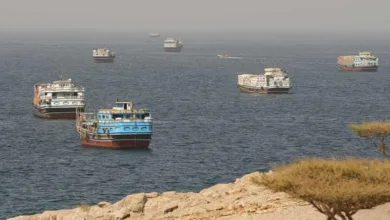
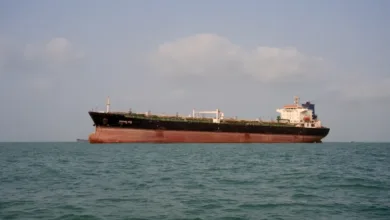
Zelensky defended a recent Ukrainian strike that sank a Russian warship, Merkury, docked in eastern Libya, describing it as a legitimate military target.
His comments followed concerns expressed by Italian Prime Minister Giorgia Meloni, who warned that the attack could extend the conflict into the Mediterranean region.
Although acknowledging the risks associated with such operations, Zelensky said Ukrainian forces did not carry out attacks without coordinating with their international partners.
He also warned that Ukraine was preparing for another difficult winter as Russian attacks continued to disrupt electricity supplies, transport networks and economic activities.
Recent strikes on bridges across the Dnipro River have raised concerns that Russia could attempt to divide Kyiv, while prolonged power outages have forced some residents and businesses to leave the capital.
Zelensky, however, insisted that Ukraine would continue defending its capital despite the growing challenges.
“Russia wants us to run away, of course. People can go, but we will try to defend our capital in any way. We need our capital. Without a capital, you don’t have a country,” he said.
Credit: BBC


 Follow our WhatsApp Channel