JP Morgan cites CBN regulation, economic reforms for Nigeria expansion
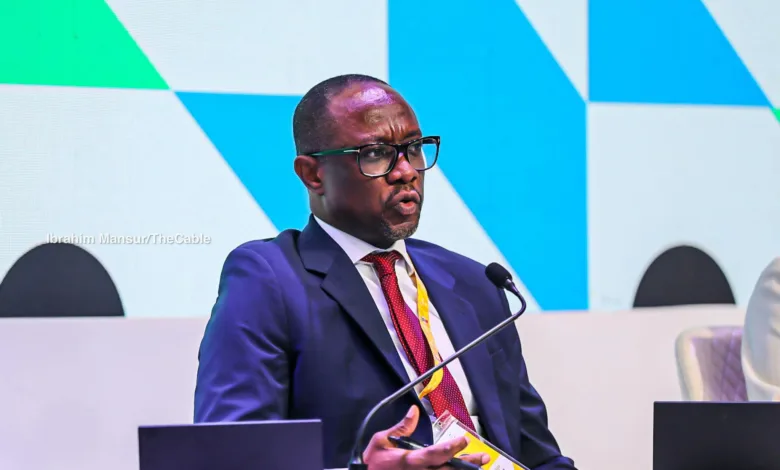
Dapo Olagunju, Managing Director of J.P. Morgan West Africa, says the Central Bank of Nigeria’s (CBN) professional regulation and recent economic reforms influenced the United States bank’s decision to expand its presence in Nigeria.
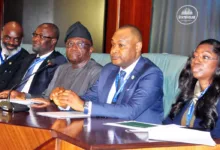
Olagunju spoke during a panel discussion on attracting investment to Nigeria at the 32nd Nigerian Economic Summit in Abuja on Tuesday, saying reforms implemented over the past three to four years had helped shape the investment environment.
He said J.P. Morgan’s expansion reflected the impact of the reforms, adding that the bank was “putting our money where our mouth is”. He also described the CBN as “very well professionally run”.
The bank is preparing to establish a merchant banking business in Nigeria after receiving approval-in-principle from the CBN on October 23. The proposed JPMorgan Merchant Bank Nigeria Limited must obtain a final banking licence before commencing operations.
Similarly, Jim Swartz, Chairman and Managing Director of Chevron Nigeria and Mid-Africa, said the investment climate had improved following the passage of the Petroleum Industry Act and presidential directives aimed at encouraging investment.
Swartz said Chevron was pursuing drilling programmes in shallow-water assets and major oil projects, while preparing to drill additional wells in its Agbami deepwater field. He stressed the need for durable laws, improved security in oil-producing communities and competitive operating costs to sustain long-term investment.
Meanwhile, Gbenga Adebayo, Chairman of the Association of Licensed Telecommunications Operators of Nigeria, said rising demand for data and digital services required more investment in network capacity, fibre-optic infrastructure and replacement of ageing equipment. He called for consistent government policies and stronger protection of telecoms infrastructure.
Afolabi Salisu, Chairman of the Senate Committee on ICT and Cybersecurity, said the National Digital Economy and E-Government Bill had reached its third reading and could be passed before the end of the year. He added that plans for a 90,000-kilometre fibre-optic network would help improve connectivity nationwide, including in underserved areas.