Nigeria must move from economic reforms to delivering tangible socioeconomic results, says NESG chairman
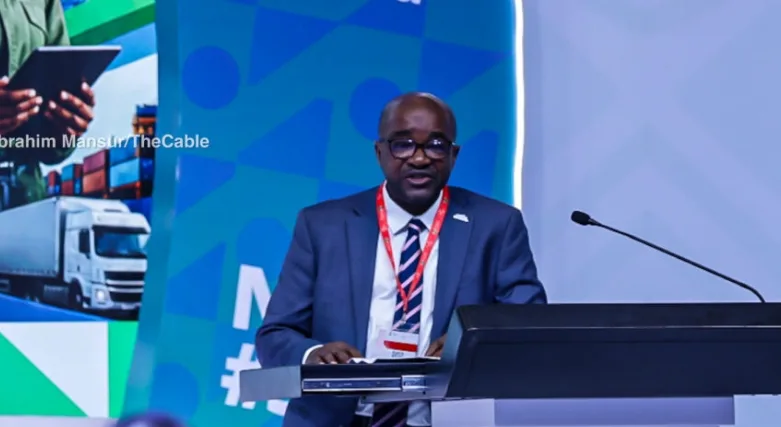
Chairman of the Nigerian Economic Summit Group (NESG), Olaniyi Yusuf, on Monday said Nigeria must move from economic reforms to delivering tangible socioeconomic results, including decent jobs, improved purchasing power, reduced poverty, and higher productivity.
Speaking on Monday at the 32nd Nigerian economic summit (NES32), he called on the Federal government that the next phase of Nigeria’s economic reforms must prioritise lower production costs, reliable infrastructure, productive investment, and more effective public expenditure.
Yusuf said key macroeconomic indicators are improving, but significant constraints continue to limit the impact of the gains on businesses and households.
He said gross external reserves averaged approximately $55.1 billion in October 2026.




The NESG chairman said food inflation remained high at 19.59 per cent in September, noting that slower inflation does not necessarily mean goods have become more affordable.
“It means they are rising more slowly from levels that already constrain households’ budgets,” the chairman said.
He also highlighted constraints in the productive economy, citing an approximately 11.6 per cent contraction in electricity and gas sector output in the H1 2026.
Yusuf said the theme of NES32, ‘Growth That Works: Delivering Jobs, Productivity and Shared Prosperity’, reflects the need for economic growth to create value, expand opportunities, and improve living standards.
“So the next phase of our reforms must prioritise lower production costs, reliable infrastructure, productive investment, and more effective public expenditure,” Yusuf said.
“We also must confront poverty, food insecurity, and gaps in access to quality education, health care, nutrition, and productive work. We must not only talk about the fortunes of our past, but we also must build wealth for the present and future generations.”
The NESG chairman said the private sector would play a central role in Nigeria’s transformation, noting that businesses organise production, employ workers and connect markets but require an enabling operating environment to fulfil these roles.
He said unreliable electricity, expensive financing, poor transport infrastructure, insecurity and regulatory uncertainty increase operating costs and volatility, particularly for small and medium-sized enterprises.
“The government must sustain economic stability, provide essential public goods, and also ensure regulatory predictability. Businesses, in turn, must invest in technology, skills, local supply chains, and export competitiveness,” he said.