Juju’s curious case, by Bamidele Johnson
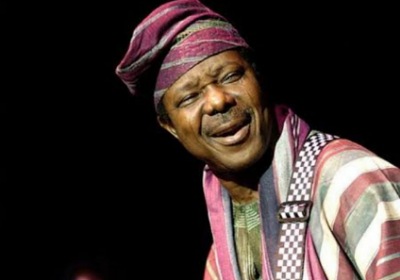
This, it is necessary to point out, is not one of the funeral rites for juju music. Juju is not dead, but it is also not exactly alive in the way we once knew it. Once upon a groove, juju was the big deal in the Yoruba soundscape. Not a big deal, but the big deal. It was never just music; it was a full-blown experience.
The genre gave us the iconic King Sunny Ade, Chief Ebenezer Obey, Admiral Dele Abiodun, Emperor Pick Peters of Seido System fame, Sir Shina Peters and a congress of praise-singing apostles who did “r’omo r’oni temi r’atata, r’omo r’olola” and stretched a single track into a 20-minute sonic pilgrimage. This, of course, was accompanied by talking drums, electric guitars and spiritual benedictions for those splashing the cash.
These days, however, juju appears to have quietly tiptoed out of the studio. Is juju dying? That may be a stretch. What seems more accurate is that juju is no longer interested in being recorded. It now lives exclusively on stage, dressed in sequins and chained happily to the party circuit.
Record stores are extinct, so we cannot accuse them of failing to stock new juju albums. The truth is, there are hardly any new juju albums to speak of. Streaming platforms are not exactly overflowing with fresh content either. Only the classics have survived the purge.




No one is pressing “record” because artistes are not recording. And really, why burn studio time when one can earn six figures in a single night at a Lagos owanbe, with added blessings in crisp naira notes?
Juju has become the genre you call when you want to “shake body” at your mom’s 90th birthday, not something you plug into your AirPods while jogging unless, of course, you doiin full aso oke. Once a vessel of socio-cultural commentary and spiritual insight, juju has now become pure performance art: praise-singing, shoulder rolls, highlife guitar solos and lavish shout-outs to celebrants, their children, their vehicles and village people.
Fuji is still being recorded and also finding accommodation, lyrically, in Afrobeats and the less classifiable genres it has spawned. Juju, however, as a recorded genre, is on a long, leisurely recess.
Perhaps juju is simply doing what it does best: being present, festive and full of vibe. But until someone dares to press ‘record’ again, juju will remain what it has become: the life of the party, but a ghost on the playlist. Forever live. Never on air.