Lagos moves to curb maternal, newborn deaths with new healthcare framework
By Osho Olatomiwa
The Lagos State Government has said it is developing a state-owned framework to strengthen emergency care for pregnant women and newborns, focusing on healthcare workers’ competencies, functional referral systems and improved hospital readiness.
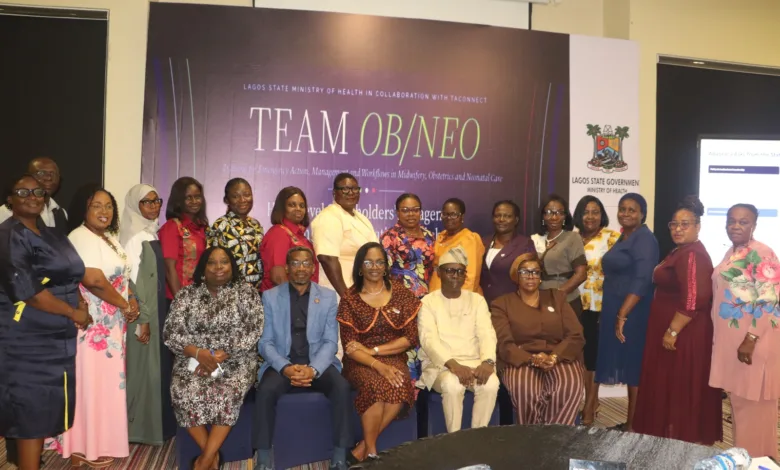
The Special Adviser to the Governor on Health, Dr. Kemi Ogunyemi, disclosed this at a three-day stakeholders’ workshop organised by the Ministry of Health in collaboration with TEAM OB/NEO, in Ikeja.




Ogunyemi noted that complications such as postpartum haemorrhage, eclampsia and premature births continued to claim lives despite government investments in the health sector. She stressed the need for healthcare workers to identify emergencies early and respond promptly to prevent avoidable deaths.
She called for competency-based training, simulation exercises, standardised clinical procedures, multidisciplinary teamwork and mentorship, as well as stronger government ownership and accountability.
The Special Adviser also urged stakeholders to leverage accurate health data to demonstrate the impact of interventions and justify resource allocation, emphasising that the initiative must go beyond training to deliver measurable improvements in maternal and newborn survival.
The Permanent Secretary of the Ministry of Health, Dr. Dayo Lajide, represented by the Director of Family Health and Nutrition, Dr. Abosede Wellington, said reducing preventable maternal and newborn deaths required skilled personnel, clear clinical protocols, functional equipment and access to essential medicines.
Similarly, the Permanent Secretary of the Lagos State Health Service Commission, Dr. Olufemi Omololu, identified workforce shortages and staff attrition as major challenges, calling for continuous training and measurable targets to strengthen emergency care.
Development partners, including the Health Strategy and Delivery Foundation, UNFPA, Centre for Integrated Health Programme and MDOC Healthcare, reaffirmed their commitment to supporting the state’s maternal and newborn health initiatives.
The workshop brought together government agencies, healthcare professionals, development partners and health institutions to identify gaps in service delivery and develop an implementation plan covering workforce capacity, facility readiness, emergency referral systems and monitoring of care outcomes.