Lagos sets January 2026 for statewide free measles-rubella immunisation campaign
By Adeola Ogunrinde –
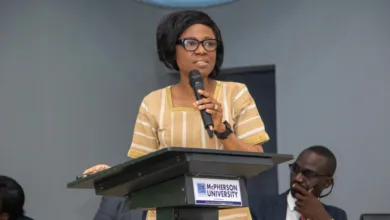
The First Lady of Lagos State, Dr. Ibijoke Sanwo-Olu, has called on parents, schools, traditional rulers, religious leaders, and civil society groups to support the upcoming measles-rubella (MR) vaccination campaign. Speaking at a stakeholders’ meeting in Ikeja, she described immunisation as a collective responsibility, stressing that measles and rubella are dangerous but preventable diseases.
She noted that Governor Babajide Sanwo-Olu approved counterpart funding for the campaign on August 18, 2025, underscoring his administration’s commitment to child health. The MR vaccine, which offers dual protection, will be administered free of charge at all government health facilities beginning in January 2026.
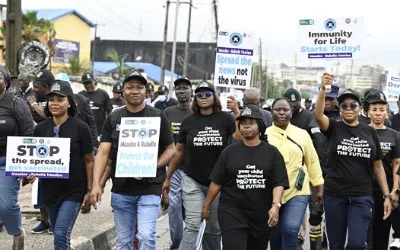
Targeting children between nine months and 14 years, the campaign seeks to reduce vaccine hesitancy through community engagement. Traditional rulers, religious leaders, and market associations have been formally inaugurated as Vaccination Ambassadors to drive awareness and encourage participation.
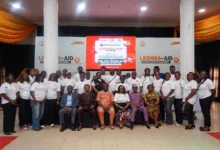
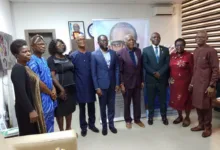
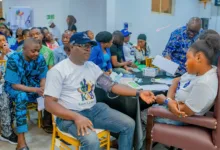
“The vaccines are free, safe, and available,” the First Lady said. “Parents must ensure that no child is left unprotected.” She also encouraged schools to allow on-site vaccinations and urged families to say “YES” to a healthier Lagos.
Also speaking at the event, Dr. Ibrahim Akinwunmi Mustafa, Permanent Secretary of the Lagos State Primary Health Care Board, said the MR vaccine is now part of the state’s routine immunisation schedule. He cited a sharp global rise in measles cases—from 8.6 million in 2022 to over 10 million in 2023—and warned of Nigeria’s vulnerability, with 9,821 confirmed cases and 77 deaths recorded in 2024.
Mustafa said Lagos must secure broad vaccine coverage to prevent future outbreaks, especially due to its dense and mobile population. During a 2024 integrated campaign involving measles, yellow fever, and HPV vaccines, the state reached 3.58 million children, achieving 85% coverage.
He added that the new MR vaccine will help prevent severe complications such as congenital rubella syndrome in newborns. The initial campaign will focus on children aged nine months to 14 years, after which the vaccine will be administered in two doses through routine immunisation.
Vaccinations will be available in schools, primary health centres, religious institutions, outreach locations, and eventually all public and private health facilities. While the vaccine is safe, Mustafa noted that children with high fever, allergies, or compromised immunity should be assessed by healthcare professionals. He stressed that the campaign’s success depends on community-wide collaboration.