Lagos tops list of Nigeria’s over 102,000 new HIV/AIDs infections
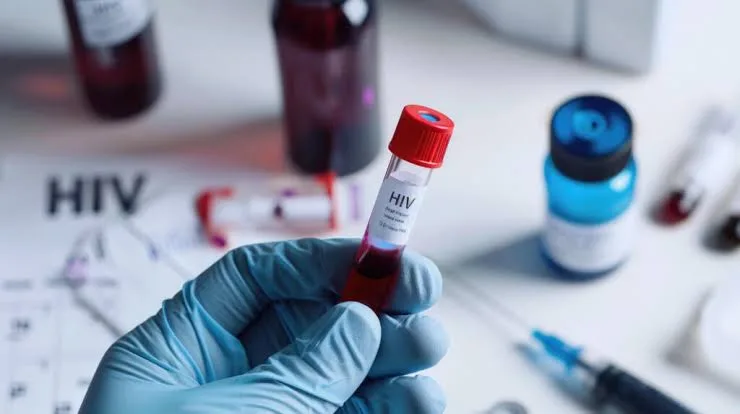
Nigeria recorded 102,025 new HIV infections across the 36 states and the Federal Capital Territory (FCT) in 2025, according to the Federal Ministry of Health and Social Welfare’s State of the Health of the Nation Report 2025.
The report showed that Lagos recorded the highest number of new infections with 10,430 cases, followed by Rivers with 6,287 and Kano with 6,106. Akwa Ibom reported 5,413 new infections, while Taraba, Benue and Anambra recorded 4,854, 4,804 and 4,468 cases respectively.
Kaduna accounted for 3,659 new infections, while Adamawa and the FCT recorded 2,989 and 2,764 cases respectively, completing the top 10 states with the highest number of new infections during the year.
Other states with more than 2,000 new HIV infections include Cross River (2,595), Sokoto (2,592), Abia (2,546), Imo (2,537), Delta (2,469), Borno (2,311), Ogun (2,107), Plateau (2,084), Niger (2,020) and Ebonyi (2,015).

The report also identified states with the lowest number of new infections. Ekiti recorded the fewest cases with 462, followed by Bayelsa (982), Gombe (1,083), Osun (1,093), Kwara (1,371), Enugu (1,429), Yobe (1,483), Katsina (1,541) and Kebbi (1,572).
The ministry said the figures underscore the need to strengthen efforts to curb the spread of HIV despite years of prevention campaigns and interventions by the federal government and development partners.
In March, the Federal Executive Council approved the procurement of antiretroviral (ARV) drugs to sustain Nigeria’s free HIV treatment programme. Minister of State for Health and Social Welfare, Iziaq Salako, said the approval was aimed at ensuring uninterrupted access to treatment for people living with HIV/AIDS.
The country also recently received 11,520 doses of lenacapavir, a long-acting injectable HIV prevention medicine. Mohammed Patiko, Head of Procurement and Supply Chain Management at the National AIDS and STIs Control Programme (NASCP), said the shipment is the first batch of 52,000 doses expected under a Global Fund-supported initiative.