May 29: ‘No excuses on June deadline,’ Wike warns contractors
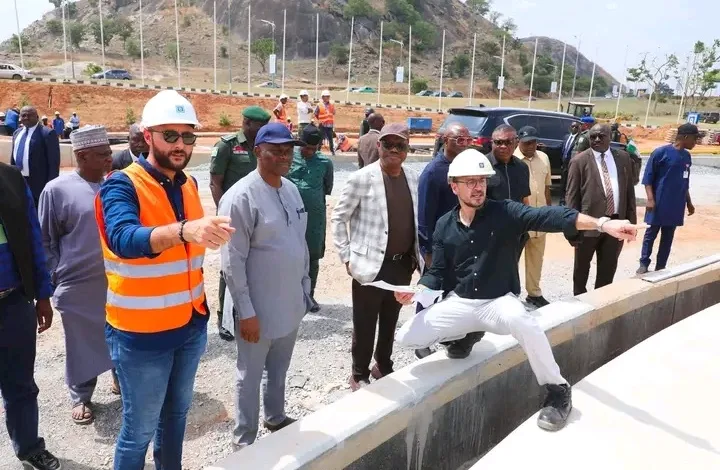
The Minister of the Federal Capital Territory (FCT), Nyesom Wike, has issued warnings to contractors handling major infrastructure projects across Abuja, insisting that all agreed timelines must be met ahead of the third anniversary of President Bola Tinubu.
Speaking on Wednesday during an inspection tour of ongoing projects, Wike stressed that deadlines—particularly those tied to planned commissioning events—are non-negotiable. He expressed concern over delays in a road project in Wuse, despite acknowledging the quality of work done so far.
“We agreed that by the end of May or June that job will be delivered, but what we heard today is different. I’m not going to accept that,” Wike said, directing that the project be completed and handed over by the second week of June.
The minister explained that the inspection forms part of routine oversight to ensure contractors maintain both quality and speed. “We don’t just sit in our offices. We go out to verify the quality of jobs and ensure contractors meet timelines,” he added.




Wike, however, commended progress on other projects, including the N16 interchange and the Institutions and Research Centre near key academic areas in Abuja. He described both as high-quality developments on track for commissioning.
At Tunga Madaki, where a key access road and bridge linking Bill Clinton Drive on the Airport Road to nearby communities is nearing completion, the minister expressed satisfaction with the pace of work. He noted that the project would significantly improve connectivity in the area.
He also revealed plans to extend the road corridor to Zuba, stating that procurement processes and compensation arrangements for affected communities were already in motion.
Beyond road infrastructure, Wike highlighted ongoing investments in water supply, education, and healthcare across the FCT. He announced plans to inaugurate satellite water projects in Bwari, Karu, and Orozo, alongside the renovation and furnishing of schools and the rehabilitation of health facilities in underserved areas.