Nigeria’s creative economy needs more than talent to thrive — Experts
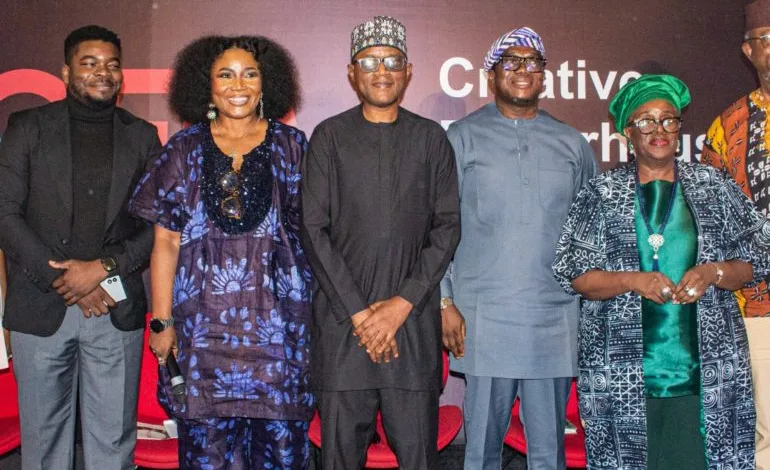
Stakeholders in Nigeria’s creative industry have called for stronger infrastructure, funding, intellectual property protection and effective policies, saying talent alone cannot drive the sector to its full economic potential.
They made the call on Tuesday at the second edition of the QEDNG Creative Powerhouse Summit held at the Radisson Blu Hotel, Ikeja GRA, Lagos. The summit, organised by Mighty Media Plus Network Limited, was themed, “Creativity, Culture and Nigeria’s Next Chapter.”
The publisher of QEDNG and convener of the summit, Olumide Iyanda, said structural and institutional challenges continued to prevent many talented Nigerians from reaching their full potential, despite the country’s success in producing globally recognised creatives.
Representing the summit’s chairman, Demola Aladekomo, the Managing Director of SmartCity Plc, Gabriel Ukachukwu, said Nigeria needed to build an ecosystem around creativity rather than rely solely on individual talent. He said the sector required infrastructure, capital, skills, technology, distribution and intellectual property protection.
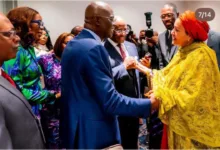
Delivering the keynote address, the National Coordinator of the Investment in Digital and Creative Enterprises (iDICE), Ife Adebayo, said Nigeria had enormous creative talent and cultural influence but needed deliberate investment and effective systems to convert them into economic value.
Adebayo cited the 1986 American film Top Gun as an example of how creative works could shape a country’s image and contribute to economic outcomes. He said Nigeria could similarly use film, music, fashion, comedy and animation to project its culture and influence globally.
He also lamented Nigeria’s failure to tell some of its important national stories, including those of security personnel who died fighting insurgency. Adebayo said Nigeria’s creative economy currently contributes about 1.2 per cent of GDP, compared with nearly three per cent in South Africa, attributing the difference partly to stronger structures and financing.
The summit featured panel sessions on “Building Tomorrow’s Creative Economy Today” and “What Creatives Need for Nigeria,” with participants including Steve Babaeko, Olamide Okulaja, Anwuli Ojogwu, Yibo Koko, Joke Silva, Efe Omorogbe, Kiekie and Fisayo Fosudo.