Oyo Circular Road will create jobs, attract investments, Alaafin’s spokesman says
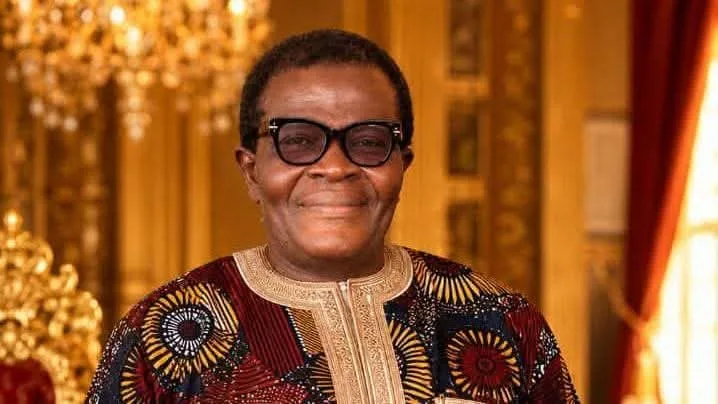
By Adejayan Gbenga
The spokesman for the Alaafin of Oyo, Oba Abimbola Akeem Owoade I, Bode Durojaiye, has highlighted the potential economic benefits of the proposed Oyo Circular Road project, citing job creation, improved transportation and increased investment opportunities.
Durojaiye outlined the benefits in an article titled “Understanding Oyo Circular Road Project Beyond Sentiments, Hypocrisy”, urging residents to look beyond political disagreements and consider the project’s potential economic and social impact. He clarified that his views were expressed in his personal capacity and should not be regarded as an official position or endorsement by the Alaafin.
He said President Bola Tinubu’s approval of the multi-billion-naira project presented an opportunity to accelerate infrastructure development and stimulate economic activities in the ancient town. According to him, the proposed road could ease traffic congestion, improve connectivity, reduce transportation and logistics costs, and create a more favourable environment for businesses and investors.




The spokesman added that improved road access could increase property values around commercial centres, schools and hospitals, creating investment opportunities for indigenous landowners and other property investors. He also said farmers could benefit from easier access to markets and processing facilities, helping to reduce post-harvest losses and improve the distribution of agricultural produce.
Durojaiye further argued that connections to major transport routes, including the Lagos-Ibadan Expressway, could strengthen Oyo’s position as a transit and distribution hub. He said the construction phase could provide employment for artisans, labourers, engineers and suppliers, while the completed road could attract warehouses, logistics facilities and light industrial clusters. Such developments, he added, could increase demand for professional services, including town planning, estate surveying, architecture, facility management and legal practice.
On safety and access to essential services, he said diverting heavy-duty vehicles from densely populated neighbourhoods could reduce traffic accidents, pedestrian risks and vehicular emissions. He added that improved connectivity could bring rural and peri-urban communities closer to healthcare facilities, educational institutions and government offices, potentially making essential services more accessible to residents.
Addressing concerns surrounding the project, Durojaiye called for peaceful engagement and mutual understanding between residents and relevant stakeholders, warning that misinformation and inflammatory statements could undermine public understanding. He also disclosed that a demolition team from Abuja had commenced the removal of structures described as illegal ahead of the proposed construction, commending residents who, according to him, had cooperated with the exercise.
He urged residents to rely on verified information when assessing developments surrounding the project and prioritise dialogue over confrontation. Durojaiye claimed that some residents he had interviewed said the information he provided had helped them counter rumours about the project. He maintained that cooperation among residents and relevant stakeholders would be essential to resolving disagreements and realising the circular road’s anticipated economic and social benefits.