The osmotic nature of Nigerian politics: Peter Obi’s defection in perspective, by Okoi Obono-Obla
The chicken has come home to roost, and it is only at this time that she retires temporarily from her wandering tendencies, for biologically it is the period when the chicken needs to hibernate.
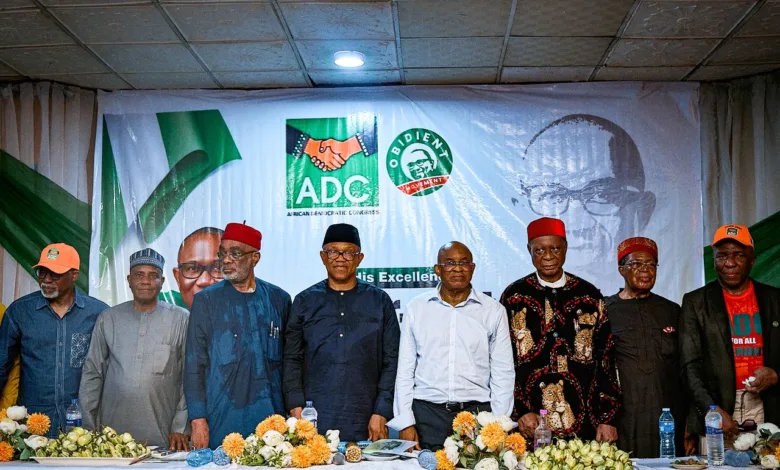
This is how I liken the defection of Peter Obi from the Labour Party on December 31, 2025, which he had joined hurriedly in April 2022 after making a hasty retreat from the People’s Democratic Party (PDP). His membership of the Labour Party lasted briefly, from April 2022 to December 31, 2025, and was riddled with fragmentation into several contending camps that proved intractable. Peter Obi’s political journey began in 1999 with membership in the PDP until around 2003, when he left to join APGA, which sponsored him to contest and win the Anambra governorship. He remained there until 2013, when he defected and rejoined the PDP. He later departed from the PDP to join the Labour Party in 2022. For such a peripatetic politician, where exactly is his political philosophy that any discerning observer can situate?
I am therefore surprised that those who have been critical and vociferous about APC’s alleged plans to turn Nigeria into a one-party state, or who claimed that APC was offering huge sums to compromise the opposition into joining it, are now maintaining a studied silence over Peter Obi’s defection from the Labour Party to the ADC. They are burying their heads in the sand like the ostrich and behaving as if nothing has happened in the national political firmament.
Defection is only considered bad, unconstitutional, and capable of derailing democracy in Nigeria when people move from other opposition political parties into the APC!



These naysayers have always forgotten that politics is osmotic in nature, just like human character. People will always move from one political platform to another in search of a conducive environment to foster their political interests and ambitions, or for better prospects and opportunities.
Conclusion:
Peter Obi’s journey underscores the fluidity of Nigerian politics, where party loyalty is often secondary to ambition and opportunity. Rather than lamenting defections selectively, observers should recognize them as part of the broader dynamics of democracy in Nigeria. The real question is not whether politicians defect, but whether such movements ultimately strengthen or weaken the nation’s democratic institutions.
–Obono-Obla an APC chieftain was a former Presidential Aide to President Muhammadu Buhari