Tinubu orders education minister to resolve dispute with ASUU, averts new strike
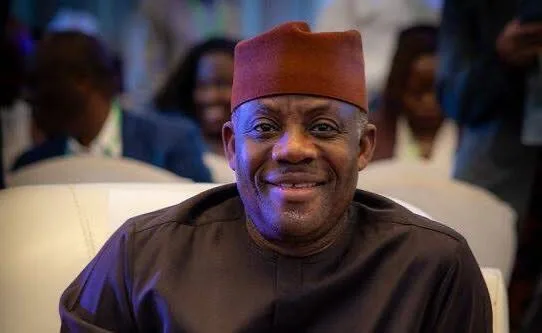
By Kunle Sanni –
President Bola Tinubu on Tuesday directed the Minister of Education, Olatunji Alausa, to take swift action in resolving the ongoing industrial dispute with the Academic Staff Union of Universities (ASUU), stressing that he does not want another strike to disrupt academic activities in the nation’s universities.
Speaking to State House correspondents after a meeting with the President at the Presidential Villa in Abuja, Alausa said the government had already met “literally all” of ASUU’s key demands and was now seeking additional concessions from the President to ensure lasting stability in the university system.
“The President has mandated us that he doesn’t want ASUU to go on strike, and we’re doing everything humanly possible to ensure that our students stay in school,” Alausa said. “The last strike they went on for about six days was not really necessary. We’ve met literally all their requirements. Now we’ve gone back to the negotiation table.”



The minister described his visit as part of ongoing consultations with the President to secure stronger executive backing for education and human capital development.
“We’re talking to ASUU, and as I speak, we’ve reopened negotiations. I also came to brief Mr. President on our progress and to extract more concessions from him,” he added.
ASUU, Nigeria’s main university lecturers’ union, has consistently engaged the Federal Government over issues including funding shortfalls, unpaid salary arrears, the renegotiated 2009 FG–ASUU agreement, adoption of the University Transparency and Accountability Solution (UTAS) in place of IPPIS, and the poor state of university infrastructure.
In October, the union embarked on a two-week warning strike to protest what it described as the government’s failure to honour previous agreements, particularly on salary arrears, revitalisation funds, and the completion of the renegotiated deal.
Repeated ASUU strikes have, over the years, disrupted academic calendars, delayed graduations, and weakened the competitiveness of Nigeria’s higher education system globally.