Trump, Nigeria, and the limits of power, by Aderemi Ogunpitan
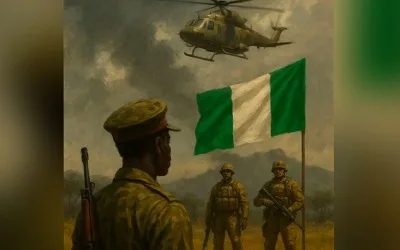
Donald Trump’s claim that he could send U.S. troops into Nigeria to “crush terrorists” may sound bold to his supporters, but under international law, it’s baseless. The UN Charter forbids any nation from using force against another’s sovereignty except in clear cases of self-defence, UN authorisation, or with the host nation’s consent. None applies here. Without Nigeria’s invitation or a UN mandate, such an act would be a violation of our sovereignty.
Some in Washington argue that the “unable or unwilling” doctrine justifies action when a state can’t control terrorism within its borders. But that logic has no firm legal standing and would simply turn might into right. The U.S. may indeed possess intelligence Nigeria lacks, satellite surveillance, intercepts, or informant networks, yet intelligence superiority doesn’t grant legal authority to act inside another nation.
The deeper issue is why such talk even seems plausible. Our prolonged insecurity, corruption, and weak institutions have eroded faith in our leadership. When citizens lose confidence in their government’s ability to protect them, foreign interference begins to look like rescue. That is a dangerous illusion.
Yes, parts of our political and military systems may be compromised by greed or foreign influence. Defence funds vanish, arms deals lack transparency, and those risking their lives are often ill-equipped. This perception fuels the narrative that Nigeria cannot defend itself, a perception we must urgently correct.

Sovereignty must mean more than waving a flag. It means taking responsibility: reforming governance, restoring trust, and building competent security forces.
Trump’s words may be reckless, but they should remind us of a hard truth, if Nigeria fails to secure itself, others will try to do it for us, and history shows that kind of “help” always comes at the cost of freedom.
That is assumming Trump really wrote that tripe of sending troops to Nigeria.