When the pump price goes up in Tehran, we bleed in Lagos —by Bámidélé Adémólá-Olátéjú
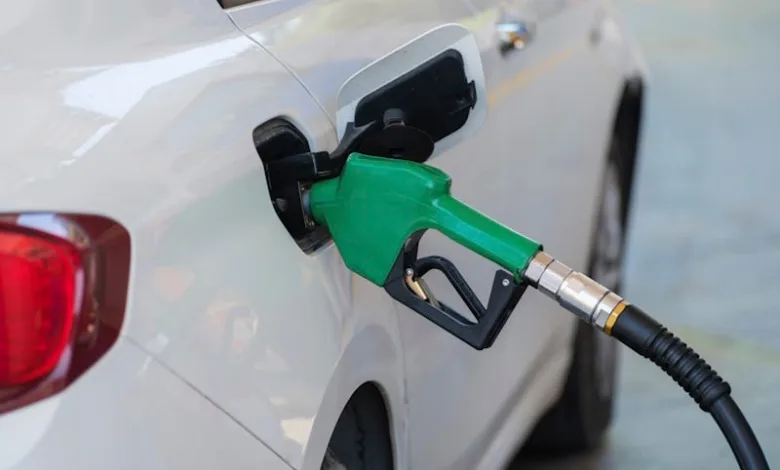
The price of petrol in Nigeria rises with global shocks such as wars in Iran, Ukraine, and elsewhere. A war conceived in Washington and executed over the Persian Gulf now threatens Nigerians with increased costs, paid in naira and in daily hardships. Understanding this pattern is the first step to breaking it. Nigeria’s vulnerability to external shocks is not an act of God but the result of decades of policy decisions.
The US-Israel war on Iran, dubbed Operation Epic Fury, killed Supreme Leader Khamenei and top Iranian leadership. The Strait of Hormuz is choked, Brent crude has surged nearly 10 per cent, tanker routes are disrupted, and Nigerians are already facing the consequences.
Although Nigeria produces Africa’s largest crude oil volumes, the country exports unrefined crude and imports refined petrol due to decades of mismanaged refineries. The Port Harcourt, Warri, and Kaduna refineries have been neglected, leaving the Dangote Refinery as the nation’s main hope, still ramping up capacity.
When global crude prices rise, Nigeria cannot increase output fast enough to benefit. Production remains at 1.3–1.5 million barrels per day, hindered by pipeline vandalism, underinvestment, and an unfavourable regulatory environment. Meanwhile, import costs rise, the naira weakens, and Nigerians absorb the shocks, having already endured subsidy removals, currency unification, and high inflation.
The war triggers a global flight to safety. Foreign investors exit Nigerian assets, dollars flow out, the naira falls, import costs rise, and inflation increases. Nigeria’s external reserves and debt obligations are vulnerable, compressing fiscal space and undermining economic reforms.
Food prices are similarly affected. Nigeria imports wheat, fish, and machinery from conflict-affected regions. Middle East tensions push global grain prices up, impacting bread, pasta, and noodle industries. Market traders already feel these effects, which arrive faster than economists can model.
The war’s economic shock extends across Africa. Countries like Kenya, Ghana, Egypt, Ethiopia, Zambia, and Angola face dollar-denominated debt burdens, fuel and food import dependencies, and limited fiscal room. The African Union must urgently coordinate emergency measures, including food procurement, debt relief advocacy, and early-warning systems for supply chain disruptions.
Nigerians have always paid for wars they did not start, from the 1970s oil shock to COVID-19 and the Russia-Ukraine war. The Tinubu administration must treat refining and domestic oil production as national security priorities, accelerate production capacity rehabilitation, and coordinate with international financial institutions to mitigate the crisis. When the pump price rises in Tehran, Lagos bears the cost—the question is whether Nigerian leadership will finally decide that enough is enough.
Bámidélé Adémólá-Olátéjú, former Ondo State Commissioner for Information, is director of New Media and Corporate Communications for the All Progressives Congress (APC).