Africa must fix its house or watch its children wander, by Folorunso Adisa
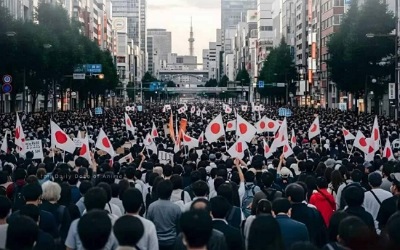
It feels as though the world has entered a season of protest. From London to Tokyo, people are pouring into the streets, waving flags, raising voices, and staking claims. In the United Kingdom, demonstrations are becoming weekly rituals, with banners and flags sprouting on poles across England and Scotland. In the United States, ICE is back on the hunt, and in Georgia over 300 South Korean Hyundai workers, highly skilled experts brought in to train locals and build auto plants, now find themselves detained like criminals. These are men and women whose only “crime” was transferring knowledge and preparing to return home once the job was done.
Meanwhile, Japan trembles under its own unrest. Prime Minister Shigeru Ishiba’s so-called “Africa Hometown” initiative, designed merely to symbolically link Japanese cities with African countries, has been twisted by rumor into a specter of mass immigration. Thousands took to the streets in Tokyo and Sanjo, chanting against foreigners, gripped by the fear that their jobs and cultural identity are under siege. A single deleted statement about “special visas” spread like wildfire online, stoking paranoia. The truth, that no such immigration wave exists, was drowned out by the drumbeat of misinformation.
Across these protests, a chilling pattern emerges: fear of the outsider. Fear that the immigrant is an intruder rather than a contributor. Yet history has proved again and again that immigrants are often the very backbone of economic renewal. Still, nothing terrifies an immigrant more than being cast as the enemy in a land where they labour, build, and serve. When your very skin tone can provoke hostility, your existence becomes a protest.
And here lies the bitter lesson for African leaders: fix your house. Make Africa habitable, dignified, and prosperous so her children do not roam the earth like restless wanderers, clutching at any promise of a better life only to be treated as modern slaves. Because until Africa becomes a place people long to stay in, or even move to, its sons and daughters will continue to face suspicion, rejection, and violence abroad.