FG targets 29 million children, 65,000 public schools under HOPE project, inaugurates steering committee
By Kunle Sanni –
The Federal Government has launched the Human Capital Opportunities for Prosperity and Equity (HOPE) project, a major initiative aimed at improving foundational learning across Nigeria. Central to the effort is the HOPE-Education programme, which seeks to reach 29 million children and upgrade 65,000 public schools nationwide.
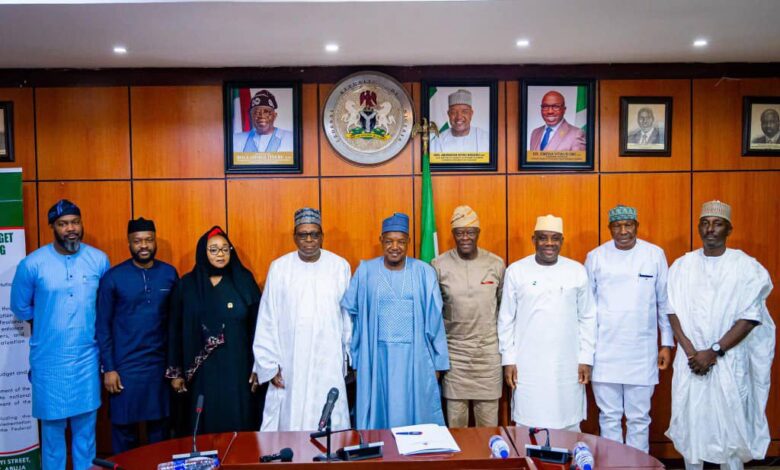
To coordinate the multi-sectoral project, the government on Monday inaugurated a National Steering Committee comprising key ministers, including those of Education, Finance, Budget and Economic Planning, and Health and Social Welfare. The committee will also oversee the HOPE-Health and HOPE-Gov components.
HOPE-Education is a $552 million initiative co-financed by the World Bank and the Global Partnership for Education (GPE). It aims to improve education quality, expand access, and strengthen school systems across all 36 states and the FCT.


Minister of Education, Prof. Tahir Mamman, said the programme emphasizes foundational literacy and numeracy, teacher training, digital innovation, and reducing the number of out-of-school children. He said the goal is to build a nation where every child has access to quality education and the opportunity to thrive.
“By the end of this programme, we aim to reach 29 million children, empower 500,000 public school teachers, and strengthen 65,000 schools and 10,000 non-formal learning centres,” Mamman added.
According to the government, the HOPE programmes are designed to be catalytic, aligning with the administration’s reform agenda to build a skilled, healthy, and productive population.
Other ministers present at the inaugural meeting included Wale Edun (Finance), Atiku Bagudu (Budget and Economic Planning), Muhammad Ali Pate (Health), and Imaan Sulaiman-Ibrahim (Women Affairs), who stressed the importance of inclusive and gender-sensitive implementation.