Newsroom leadership and foretold death of print media — by Abiola Ayankunbi
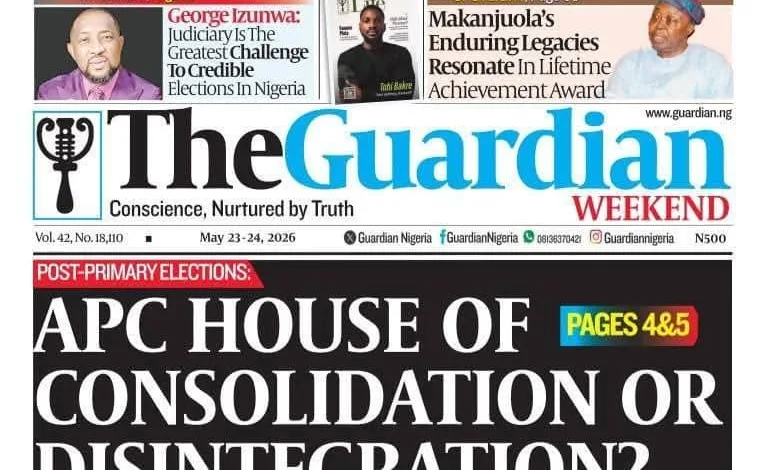
For decades, Nigerian newspapers set the national agenda, challenged authority, and commanded deep reader loyalty. Today, that influence is fading and faster than market forces alone can explain. Editorial choices inside Nigerian newsrooms are speeding up the decline of print, pushing it toward a collapse that didn’t have to happen this soon. Editors sit at the center of this crisis because they decide what makes the front page, and whether print and digital act as partners or competitors. Right now, too many newsrooms’ managers treat print as an afterthought.
Nigerian print isn’t just dying from tech disruption or shifting reader habits. It’s being hollowed out from within. Across Lagos, Abuja, Port Harcourt, and beyond, the pattern is the same. Print budgets shrink, planning is minimal, and design gets scraps. Exclusives, investigations, even tomorrow’s front page go online by 9 pm. The reflex is “publish now or lose it,” leaving the next day’s paper thin, error-prone, and stripped of unique value.
Instead of running print and digital as complementary newspapers, they’re pitted against each other and this result into bleeding of both sides. If this continues, editors won’t just preside over print’s death; they’ll author its obituary. Print risks becoming a case study in mismanagement, not inevitability.
At AbingMO3 Marketing Management Consultancy, our Q1 2026 findings were stark: circulation is in freefall. From January to March 2026, not a single Nigerian newspaper recorded national daily circulation of 10,000 copies. Combined, 20 national dailies sold fewer than 150,000 copies per day. Media managers may bristle at these figures, but they aren’t new. Nigeria’s publishers have resisted circulation transparency for decades.




The Audit Bureau of Circulation (ABC) was founded in the U.S. in 1914, the U.K. in 1931, and India in 1948 to verify print runs. Every attempt to launch ABC in Nigeria has failed because publishers won’t disclose real numbers. In 2010, the Advertisers Association of Nigeria (ADVAN), led by Idorenyen Enang, commissioned Chris Doghudje, Dele Sobowale, and others to research actual circulation under Zus Bureau Research (ZBR). The results contradicted industry claims: The Punch: 34,264 | The Sun: 25,632 | Vanguard: 25,241| Guardian: 25,222 | This Day: 21,703 | Daily Trust: 11,672 | Tribune: 8,314. Publishers rejected the report but offered no alternative data. Soon after, many quietly removed “A member of ABC” from their back-page strip. Today, it’s largely gone.
Simultaneous printing was supposed to boost circulation and regional relevance. Instead, it’s been squandered. Editors aren’t leading with stories that resonate locally, so the editions feel irrelevant for both readers and advertisers. The business model doesn’t add up as the total print runs of all Nigerian newspapers now fall below the capacity of a single press. Yet nearly 60 printing machines sit idle or underused across the country. Daily Trust and The Punch each run four presses. National Mirror has six. Others have three, two, or one. Multiple plants only make sense with volume.
Nigeria’s population of 200m+ isn’t the problem. The problem is economics: distributing paper at scale breaks down when infrastructure, income, and digital alternatives don’t keep pace. Still, the numbers shouldn’t be this low. Research shows a core print audience remains: readers 40+, government officials with budget allocations, lawyers, academics, and those in areas with poor data. They want what print does best: analysis, long-form journalism, and local reporting. They’re not scrolling for speed; they want context and curation.
Consider the math: With 200m people and a 77% literacy rate, that’s 154m literate Nigerians. If just 25m can afford to buy, and 7m are willing if the newspaper meets expectations, that’s a market. At ₦200 per copy, 7m daily sales equals ₦1.4bn per day. An industry earning that could operate without crisis.
Too many editors still treat print as “bragging rights” i.e. a prestige side-hustle that gets low priority in planning, design, and ad sales. That mindset ensures print gets thinner, with more errors and fewer exclusives. Readers notice. They stop buying. The future of print in Nigeria doesn’t depend on whether Nigerians read. It depends on whether editors will treat print as a distinct, premium newspaper for a smaller, paying audience while letting digital stand on its own revenue model.
Editors must choose between being stewards of a leaner, premium print platform, or remain gatekeepers of a format they’re actively devaluing. If current habits persist e.g. starving print while using it to subsidize a digital strategy that doesn’t yet pay, newsrooms will end up with neither a loyal print base nor a profitable online audience. Print won’t fade out. It will be pushed out by its own custodians. And if editors keep treating it as expendable, they won’t just witness its death. They will have written the obituary.
–Ayankunbi is a newspaper circulation and marketing professional