A personal tribute to Olu Jacobs (1942 – 2026) — by Tunde Kelani
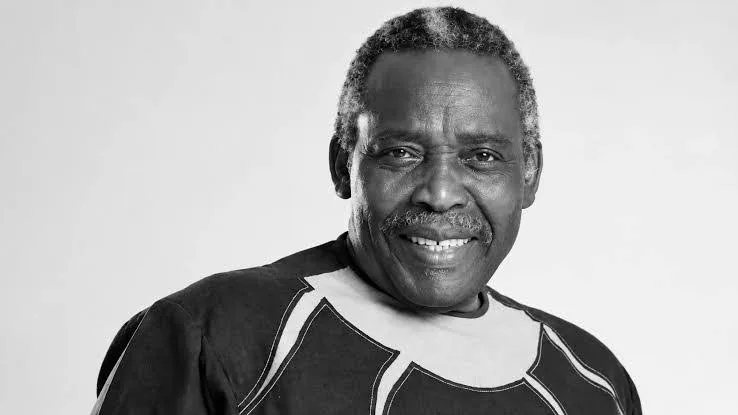
I first crossed paths with Oludotun Baiyewu Jacobs—fondly known to many of us as Uncle Olu Jacobs—in 1978. A small collective of Nigerian classmates at the London Film School, including Adefolu, George, Femi Aloba, and yours truly, had banded together for our final graduation project. We set out to adapt Amadu Maddy’s novel No Past, No Present, No Future into our diploma film, Trying Times. We were young, ambitious, and eager to carry home tangible proof of our training in the art and technique of cinema from that historic institution.
At the time, Olu Jacobs was a vibrant presence at the nearby Africa Centre in Covent Garden. From that very first encounter, he left an indelible mark on me: a consummate, classically trained actor with a commanding presence, yet generous enough to lead our student production without asking for a fee—his only condition being that we provide him a meal across our three-day shoot. Thanks to his compelling performance, Trying Times earned a coveted spot in the Governors’ Screening, affirming that we were truly on the right path.
One of the most treasured milestones of my career arrived years later through M-Net’s New Directions initiative, an innovative scheme designed to stimulate African storytelling that ultimately helped lay the foundation for contemporary African cinema. I was privileged to serve as director of photography on Twins of the Rainforest, framing Uncle Olu alongside his equally gifted wife, Joke Silva. Their on-screen chemistry as husband and wife was electrifying. The camera never forgets; it remains an unforgettable blessing in my life that I had the opportunity to capture that rare intensity on 16mm celluloid film. The imagery from behind that viewfinder remains etched permanently in my memory.
I will forever remember his warm, reassuring smile, that booming baritone voice, and his unwavering instinct to uplift everyone around him, cast and crew alike.


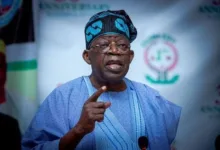
It took extraordinary courage and vision for Uncle Olu to walk away from a flourishing career abroad. He had already established an enviable reputation across British stage, television, and international cinema—working on productions like Pirates under Roman Polanski—yet he chose to return home. At a time when shooting on analogue video seemed absurd to conventional filmmakers, he embraced the nascent Nollywood movement. He weathered every infrastructural limitation, pouring his immense craft and discipline into laying the bedrock of an industry that would command global attention.
They simply do not make them like him anymore. A proud son of the rock, hailing from the rolling hills of Egbaland in Abeokuta, Uncle Olu was honored as a Member of the Order of the Federal Republic (MFR) alongside countless lifetime achievement awards. Yet accolades alone cannot capture the magnitude of his legacy: Oludotun Baiyewu Jacobs stands unequivocally as a founding patriarch of modern Nigerian screen performance.
Thank you, Uncle Olu, for gracing my lens in Trying Times and Twins of the Rainforest, and for showing us what it truly means to serve the craft.
Sun re o. Goodnight, Uncle.
Tunde Kelani (TK)